2026 Best Benefits of Plush Toys for Child Development?

Time:2026-06-25 Author:Sienna
0%

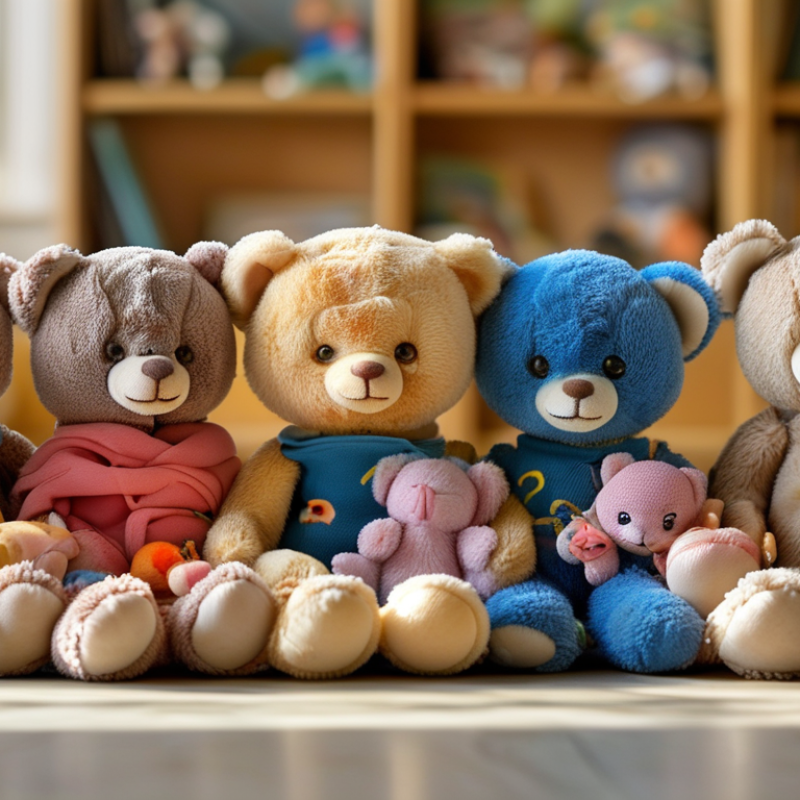
Plush toys have been cherished by children for generations. They provide comfort and companionship during crucial developmental stages. But what are the benefits of plush toys for child development? These toys are more than just soft and cuddly items; they play a vital role in the emotional and social growth of children.

Research shows that plush toys can boost a child's imagination. Kids often create stories with their toys, exploring various scenarios. This imaginative play enhances cognitive development. Additionally, these toys can offer a sense of security. When children feel anxious or scared, their plush toys can be a soothing presence. However, relying too heavily on them might hinder social interactions with peers.

Furthermore, plush toys often serve as transitional objects. They help children cope with changes, such as starting school. Yet, it’s important to balance the use of these toys. Over-dependence can lead to challenges in forming new friendships. By understanding both the benefits and potential drawbacks, parents can better support their child's development journey.

2026 Best Benefits of Plush Toys for Child Development?

Benefits of Plush Toys in Enhancing Emotional Development in Children

Plush toys serve as more than just cuddly companions. They play a vital role in fostering emotional development in children. A recent study by the American Academy of Pediatrics highlights that childhood toys significantly influence emotional resilience. Plush toys can offer children a sense of security, especially during stressful situations. Research indicates that children with attachment to soft toys are better equipped to express their feelings.

These toys can also help children navigate complex emotions. By engaging in imaginative play with plush toys, children can explore scenarios that teach them empathy and compassion. For instance, role-play with a stuffed bear can help a child articulate their fears or joys. A 2021 report from the Child Psychology Journal revealed that children who engage in this type of play demonstrate increased emotional intelligence.

Tip: Encourage your child to create stories involving their plush toys. This can help them articulate their experiences and feelings.

Furthermore, plush toys often provide comfort during transitions. Whether it’s moving to a new home or starting school, these toys can help ease anxiety. Children tend to project their feelings onto their plush companions, allowing them to process emotions at their own pace. Some experiences may make them reflective. They might wonder, “Why did that happen?” or “How did I feel about it?”

Tip: Set aside time for your child to discuss their feelings about transitions. This can enhance their emotional vocabulary.

2026 Best Benefits of Plush Toys for Child Development

Benefit Description Age Group Impact on Development
Emotional Bonding Plush toys provide comfort and companionship, fostering emotional security. 0-3 years Enhances attachment and trust.
Social Skills Playing with plush toys encourages role-playing and social interaction. 3-5 years Promotes cooperation and communication skills.
Cognitive Development Toys can stimulate imagination and problem-solving during playtime. 2-6 years Enhances creativity and critical thinking.
Stress Relief Cuddling a plush toy can help reduce anxiety and stress in children. All ages Improves emotional regulation.
Security A constant presence of a plush toy can give children a sense of security. Infants to preschoolers Supports emotional stability during transitions.

The Role of Plush Toys in Fostering Creativity and Imagination

Plush toys play a significant role in a child's creative development. They are more than just soft companions. These toys inspire imaginative play scenarios. Children often use plush toys to depict various characters and stories. This kind of creative expression is vital for cognitive growth.

Kids may engage in role-playing, where they assign traits and personalities to their toys. This helps them explore emotions and understand social relationships. Sometimes these interactions can reveal deeper feelings. For instance, a child may feel sad while pretending to comfort their plush pet. This teaches empathy and emotional intelligence.

While plush toys are beneficial, not all play is structured or productive. Some children may rely too heavily on toys for comfort. This can hinder their ability to cope with real-life situations. Therefore, balance is essential. Plush toys should encourage exploration, not replace it. These toys can be a gateway to creativity, but parents should foster diverse experiences outside of play.

Plush Toys as Tools for Social Skills Development in Early Childhood

Plush toys serve as valuable tools for fostering social skills in young children. When children engage in imaginative play with plush toys, they often create scenarios that reflect real-life situations. This kind of play helps them understand emotions, practice empathy, and learn to navigate social interactions. By talking to their plush friends, children develop narrative skills, boosting their ability to express thoughts and feelings.

Moreover, plush toys can act as a bridge in social situations. A shy child may find it easier to share or play when they have a plush companion. This dynamic can encourage sharing, teamwork, and communication. Children often mimic social behaviors they observe in adults, thus learning how to connect with peers. It's fascinating to note that even imperfect interactions can spark important discussions about feelings and friendships.

However, reliance on plush toys can also hinder some children. They might become too attached, leading to difficulties in real-life social settings. It's essential for caregivers to balance plush playtime with real interactions. Encouraging children to engage with their peers while still enjoying the comfort of their plush toys can foster a well-rounded development of social skills.

Benefits of Plush Toys in Child Development

Impact of Plush Toys on Cognitive Growth and Problem-Solving Skills

Plush toys play a significant role in enhancing cognitive growth in children. Research indicates that children engaging with soft toys exhibit better problem-solving skills. A study published in the Journal of Child Development shows that tactile experiences, like hugging or holding a plush toy, stimulate brain activity in young children. This tactile engagement not only promotes sensory development but also encourages imaginative play.

When children incorporate plush toys into their play scenarios, they often create stories and scenarios. According to a report from the American Academy of Pediatrics, imaginative play can improve critical thinking. Children learn to strategize, navigate challenges, and develop social skills within these pretend environments. Plush toys serve as both companions and tools, facilitating emotional expression and complex problem-solving.

However, not all interactions with plush toys are positive. Children may rely too heavily on them for comfort, limiting their ability to develop independent coping skills. Balancing plush toy play with other forms of learning is crucial. While these toys can be beneficial, promoting a diverse play approach will provide a deeper developmental impact.

Using Plush Toys for Comfort and Security in Child Development

Plush toys serve as more than just playthings; they offer crucial comfort and security for children. For many kids, a beloved stuffed animal becomes a primary source of emotional support. They hold these toys close during challenging times, like bedtime or during a thunderstorm. This act of hugging a plush toy can provide a sense of safety, helping to ease anxiety and fear.


Additionally, plush toys play a significant role in fostering emotional intelligence. Children often project their feelings onto these toys. Through imaginative play, they navigate complex emotions and situations. Such interactions can bolster their empathetic abilities. However, some children may rely too much on these toys, leading to challenges in facing real-life social situations. Balancing plush toy interaction with opportunities for social growth is vital.


In essence, plush toys are essential companions that can enhance child development. They create a safe space for children to explore their emotions. Parents should observe how their children relate to these toys. Encouraging positive interactions can promote comfort and help children learn how to cope with life's challenges.

FAQS

: How do plush toys help with social skills?

: Plush toys encourage imaginative play, reflecting real-life situations. This helps children understand emotions and practice empathy.

Can plush toys assist shy children in social situations?

Yes, a shy child may feel more comfortable sharing or playing with a plush companion, promoting teamwork and communication.

What are the benefits of talking to plush toys?

Talking to plush friends helps children develop narrative skills, allowing them to express their thoughts and feelings better.

Are there drawbacks to relying on plush toys?

Yes, some children may become overly attached, making real-life interactions more challenging and affecting their independence.

How do plush toys influence cognitive growth?

Engaging with plush toys enhances problem-solving skills, promotes sensory development, and stimulates brain activity through tactile experiences.

What impact does imaginative play have on children's thinking?

Imaginative play with plush toys can improve critical thinking by allowing children to strategize and navigate challenges in play scenarios.

Should plush playtime replace real social interactions?

No, it's essential to balance plush playtime with real interactions to ensure well-rounded social skill development in children.

Can interactions with plush toys spark important discussions?

Yes, even imperfect interactions can lead to discussions about feelings and friendships, encouraging emotional learning.

How can caregivers foster a healthy relationship with plush toys?

Caregivers should encourage children to engage with peers while enjoying plush toys. This balances comfort with social interaction.

Are all interactions with plush toys positive?

No, reliance on plush toys can limit the development of independent coping skills, so it's important to promote diverse play.

Conclusion

Plush toys play a significant role in child development, offering numerous benefits that contribute to various aspects of a child's growth. One of the primary advantages is their ability to enhance emotional development. Children often form strong attachments to their plush toys, which provide comfort and security during challenging times. This connection can help them manage their emotions and develop empathy as they engage in pretend play scenarios.

Moreover, what are the benefits of plush toys for child development extends to fostering creativity and imagination, as children create stories and adventures involving their toys. Additionally, plush toys serve as valuable tools for developing social skills, encouraging cooperative play and communication with peers. Lastly, they can positively impact cognitive growth by promoting problem-solving skills as children navigate their imaginative play. Overall, plush toys are more than mere toys; they are essential companions that support holistic development in early childhood.

Sienna

Sienna

Sienna is a skilled marketing professional with a deep expertise in our company’s core products and services. With a passion for innovation and detail, she plays a pivotal role in crafting insightful blog posts that not only highlight the unique features of our offerings but also provide valuable......