When it comes to how to identify high-quality plush toys, expertise matters. Dr. Emily Tran, a leading toy quality expert, emphasizes, “The feel and safety of plush toys must never be overlooked.” High-quality plush toys not only provide comfort but also ensure safety for children. As parents, understanding what makes a plush toy truly exceptional is crucial.
In this guide, we will explore essential tips that can help you navigate the vast market of plush toys. Look for vibrant colors and sturdy stitching, as these indicate attention to detail. The material is equally important; soft, hypoallergenic fabrics are preferable for little ones. Our focus will also include reviewing safety certifications that should come with these toys.
Identifying high-quality plush toys isn’t always straightforward. Many toys can look appealing but may not meet safety standards. Consider these factors carefully. We don’t always get it right at first glance, but with the right knowledge, choosing the best can be rewarding. Understanding these elements can make a big difference in the quality you choose for your child.
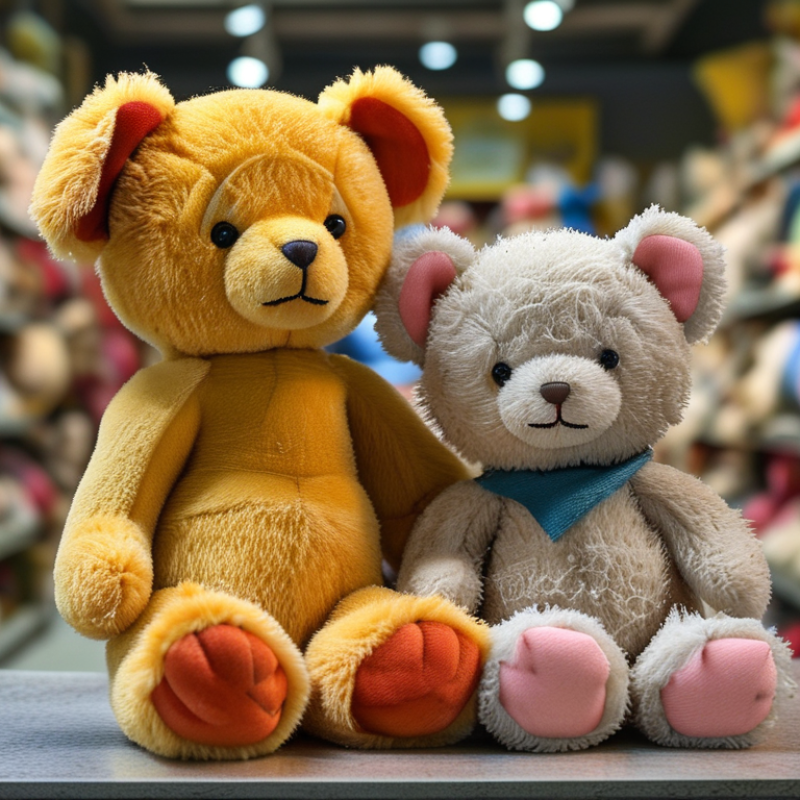
Understanding the Importance of Material Safety in Plush Toys
When choosing plush toys, material safety is crucial. Many parents overlook this aspect. High-quality plush toys should use non-toxic materials. Synthetic fibers may not always be safe. Natural fibers, such as cotton, are often better options. They reduce the risk of allergic reactions. Look for toys that meet safety standards. Certifications can indicate safer materials.
Examining labels is essential. Be wary of vague terms like 'eco-friendly.' Safety certifications should be clearly stated. Check for compliance with child safety regulations. Some plush toys may seem appealing but pose risks. A toy that feels soft may contain harmful substances. Testing for safety is not always visible.
Even with high standards, some plush toys can still fall short. Parents should educate themselves about safety ratings. Awareness helps in making informed choices. Engaging with other parents can provide insight into quality brands. This journey requires diligence and care. Not all toys are created equal, and being vigilant pays off.
Evaluating the Certifications and Standards for Quality Assurance
When evaluating plush toys, certifications and standards are crucial for quality assurance. The Consumer Product Safety Commission (CPSC) provides guidelines ensuring that toys meet safety requirements. According to industry data, about 20% of overseas products do not adhere to these standards. This calls for a careful review before purchase.
Look for plush toys that have undergone rigorous testing. Certifications like ASTM F963 and EN71 signify that the product is safe. Inspect labels for these qualifications. Manufacturers should have their testing results available. Transparency is vital; if you can't find this data, it raises red flags.
In addition to certifications, consider the materials used. Plush toys should be made from hypoallergenic and non-toxic fabrics. A recent report indicated that toys with certified materials have a longer lifespan and maintain their quality better than non-certified options. Remember, not all plush toys are created equally. Prioritize safety and quality for the best experience.
Assessing Plush Toy Durability Through Industry Performance Metrics
When assessing the durability of plush toys, industry performance metrics are crucial. A high-quality plush toy should withstand regular play without losing its shape. One significant metric is material resilience. Fabrics like polyester and cotton blend often provide durability, yet their quality can vary widely. Look for soft textures that feel sturdy yet pleasant to the touch.
Another important factor is stitching quality. Double-stitched seams generally indicate better durability than single-stitched ones. Pay attention to areas prone to wear and tear, such as joints and limbs. Reinforced stitches can help prolong the toy's lifespan. However, not all manufacturers prioritize this detail, leading to unexpected weaknesses.
Additionally, safety standards play a vital role in evaluating plush toys. Industry benchmarks often dictate the use of non-toxic materials. Unfortunately, some toys might skip these standards to save costs. Always inspect labeling and certifications. This diligence helps ensure that the plush toy is not only durable but safe for children too. While robust toys offer longevity, a balance between durability and child-friendly features must be carefully considered.
The Role of Aesthetic Design in Consumer Preferences for Plush Toys
The aesthetic design of plush toys plays a significant role in shaping consumer preferences. A study by the Toy Industry Association revealed that 70% of parents choose plush toys based on appealing designs and vibrant colors. Soft textures and unique character designs can make a product stand out on store shelves. In a competitive market, captivating aesthetics are essential for attracting buyers.
When selecting high-quality plush toys, consider the design elements closely. Look for toys that feature eye-catching patterns and friendly facial expressions. A well-designed plush can inspire emotional connections, making it more likely for a parent to purchase. Remember that the visual aspect can impact perceived value, so an attractive design may justify a higher price.
Tip 1: Examine the proportions and character details. Dimension plays an important role in making the toy visually appealing.
Aesthetic design is not just about looks; it also relates to functionality. Plush toys should balance design with durability. A visually stunning toy that falls apart after a few uses will disappoint consumers.
Tip 2: Check for stitching quality and material softness. Both factors contribute to the overall aesthetic and the user experience.
Emotional appeal in design can heighten consumer interest. As per market insights, toys with relatable features or stories can foster stronger parent-child bonds. This connection over aesthetics is invaluable in today’s toy market.
Analyzing Price vs. Quality Ratios in the Plush Toy Market
When navigating the plush toy market, the price versus quality ratio is crucial. Plush toys often come at various price points, but higher prices don’t always guarantee better quality. Assessing the materials used can provide insights. For example, soft fabrics are typically more pleasant to touch. Meanwhile, low-quality stuffing may lead to a less comfortable experience.
Additionally, weight can reveal much about a plush toy's durability. Lightweight options may be less well-made compared to their heavier counterparts. It’s essential to check seams and stitching; uneven or loose threads can indicate poor construction. Always consider the toy's safety features as well, especially for younger children. Choosing non-toxic materials is essential for peace of mind.
While quality should be a focus, some may find themselves swayed by attractive prices. This is where the caution lies. It’s easy to overlook potential red flags when a toy seems like a bargain. Investing time in research pays off. Reading reviews and checking for product certifications can save disappointment later. Quality is a long-term investment, and understanding the price versus quality dynamics is vital.
China Top 10 Tips for Identifying High Quality Plush Toys
Conclusion
When learning how to identify high-quality plush toys, it's crucial to understand the importance of material safety, as it ensures the toys are safe for children. Evaluating certifications and standards can provide additional assurance about the product's quality. Furthermore, assessing plush toy durability through industry performance metrics can help consumers make informed choices about longevity and wear.
Additionally, aesthetic design plays a significant role in consumer preferences, often influencing purchasing decisions. Lastly, analyzing the price versus quality ratios in the plush toy market can guide buyers in finding the best value for their money. By considering these aspects, one can effectively identify high-quality plush toys that are both safe and appealing.
 Tazz Toy
