In the vibrant world of plush toys, the materials used play a crucial role in their appeal and safety. Notably, Dr. Emily Chen, a leading expert in textile engineering, emphasizes, "Understanding what materials are used in plush toy manufacturing is essential for quality and safety."
Fabrics such as soft polyester and cotton dominate this industry. They provide comfort and durability. However, not all materials are created equal. Some synthetic fibers can pose risks if not tested properly. The manufacturing process demands close attention to detail, ensuring every component is safe for children.
The choice of filling also matters. Polyester stuffing is popular due to its fluffiness and resilience. Still, alternatives like recycled materials are gaining traction. As manufacturers strive for sustainability, the quest to balance safety, comfort, and eco-friendliness continues. The understanding of what materials are used in plush toy manufacturing reflects not only innovation but also a responsibility toward consumers.
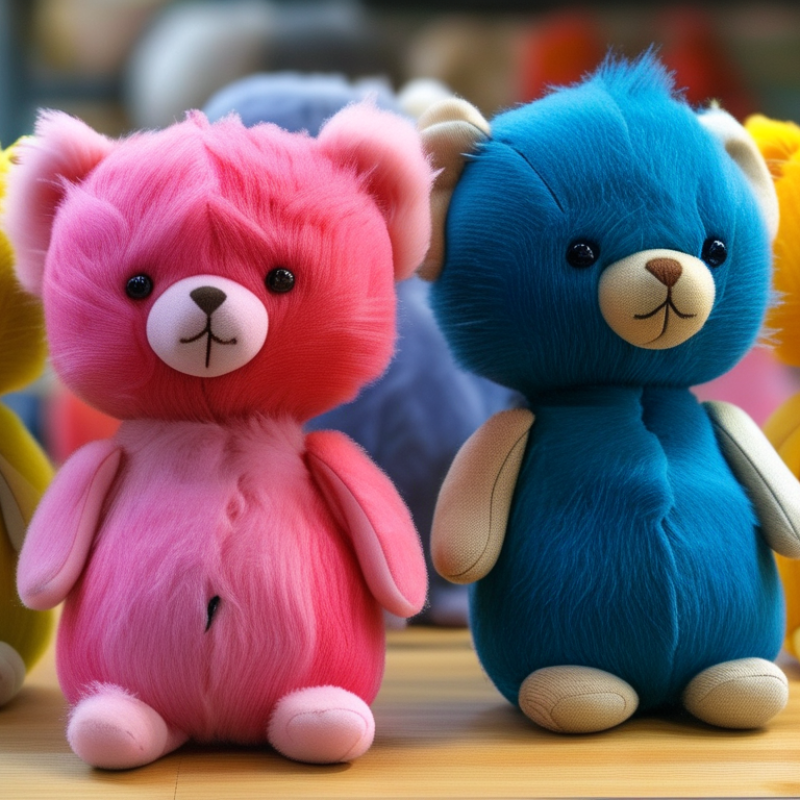
Types of Fabrics Commonly Used in Plush Toy Manufacturing
When it comes to plush toy manufacturing, the choice of fabric plays an essential role. Various materials provide different textures and durability levels. Commonly used fabrics include polyester fleece, which is soft and non-allergenic. This fabric allows plush toys to be cuddly while remaining easy to clean. Another popular option is short-pile velvet. Its smooth surface appeals to both children and adults, making toys more attractive.
Cotton is also frequently utilized. Organic cotton provides a soft touch and is safe for the environment. This type of fabric ensures that plush toys are not only comfortable but also eco-friendly. Meanwhile, spandex blends add stretch and flexibility, improving the toy's shape. However, these materials can sometimes degrade over time with frequent use.
Manufacturers must also consider safety during production. Sometimes, cheaper fabrics may lack the desired safety standards. This choice can have long-term repercussions for consumers. In the quest for high-quality plush toys, selecting the right fabric is vital. It is crucial to balance cost, comfort, and safety to ensure a satisfying end product.
Fill Materials: Understanding Polyfill and Alternatives
When it comes to plush toys, fill materials play a crucial role. Polyfill is the most common choice. This synthetic fiber provides a soft and fluffy texture. It’s lightweight and easy to work with. However, polyfill has its downsides. It can clump over time, losing its shape. This can affect the toy's overall appearance and feel.
Alternatives to polyfill include natural fillers, like cotton or wool. These materials are more sustainable. They also offer a unique texture that many prefer. However, they can be heavier and may require more care. Users need to notice that natural fillers might be prone to mold if not kept dry.
Other options like recycled materials are gaining attention. These include shredded fabric or even old plastic bottles. Such choices are eco-friendly but might lack the plush feel consumers expect. Each fill material has its pros and cons. It’s essential to assess what matters most: durability, softness, or environmental impact. The right choice ultimately depends on the desired quality and use of the plush toy.
Safety Standards and Regulations Regarding Toy Materials
When it comes to the manufacturing of plush toys, safety is a top priority. Manufacturers must adhere to stringent safety standards to ensure that materials used are suitable for children. According to the American Society for Testing and Materials (ASTM), toys for children under three should not contain small parts that may pose choking hazards. This specifically influences choices in safety standards regarding materials.
Research indicates that over 80% of toy recalls relate to safety issues. A significant concern is the presence of harmful chemicals, such as phthalates, in plastic components. The Consumer Product Safety Commission (CPSC) sets strict limits on these substances. Recently, reports have shown that 90% of plush toys meet these safety regulations, but vigilance is still necessary.
Manufacturers may also consider eco-friendly materials. While organic cotton is a popular choice, the cost can be a barrier for smaller companies. Moreover, compliance with safety standards can complicate production processes. These challenges require ongoing evaluation and adjustment in manufacturing practices to prioritize both safety and sustainability. They highlight the need for continuous improvement in the industry to safeguard children's wellbeing.
Sustainable and Eco-Friendly Materials in Plush Toy Production
Sustainable and eco-friendly materials have become vital in plush toy production. Consumers increasingly seek products that are safe for the environment. According to a report by the Environmental Protection Agency, approximately 25 million tons of plastic are discarded each year. This statistic highlights the urgency to shift to sustainable alternatives in manufacturing.
One popular eco-friendly material is organic cotton. It is often cultivated without harmful pesticides. This not only benefits the earth but also reduces exposure to chemicals for children. Another option is recycled polyester, which can be made from post-consumer plastic bottles. Research estimates that recycling one ton of polyester saves about 6,000 pounds of carbon dioxide emissions. This makes it a more responsible choice for plush toys.
However, challenges remain in sourcing these materials. Certifications can be complex and misleading. It's crucial for manufacturers to ensure transparency. A concerning report from the World Economic Forum suggests that only 9% of plastic is actually recycled. The industry needs to address this gap. Commitment to true sustainability should guide future innovations. Many materials still lack ethical sourcing practices. This calls for more stringent regulations and industry-wide cooperation.
Materials Used in Plush Toy Manufacturing
The Role of Colorants and Finishing Techniques in Toy Design
The design of plush toys involves careful consideration of colorants and finishing techniques. Colorants play a significant role in attracting children's attention. Vibrant colors can evoke emotions and spark imagination. Child-safe dyes are essential to ensure safety. Manufacturers often opt for non-toxic and easily washable colorants.
Finishing techniques enhance the plush toy's look and feel. These techniques can include embroidery, printing, or even fabric manipulation. Each method adds uniqueness to the toy. Some toys feature different textures, like smooth and fuzzy fabrics combined. This sensory variation can fascinate children.
Tips: When choosing colorants, always prioritize safety first. Stay informed about new materials on the market. Experiment with various finishes to find what appeals most to your target audience. Regular quality checks are crucial. Ensure that every product meets safety standards. The balance between aesthetics and safety should always be a focus.
Conclusion
When exploring what materials are used in plush toy manufacturing, it is essential to consider the various types of fabrics commonly employed, such as cotton, polyester, and fleece, which provide softness and durability. The choice of fill materials, particularly polyfill and its alternatives, plays a crucial role in the toy's overall feel and quality. Additionally, understanding the safety standards and regulations impacting toy materials is vital for ensuring child safety.
In recent years, there has been a shift towards sustainable and eco-friendly materials, reflecting a growing emphasis on environmental responsibility within the industry. Finally, the role of colorants and finishing techniques in toy design cannot be overlooked, as they contribute significantly to a toy's visual appeal and durability. Collectively, these aspects provide a comprehensive understanding of the materials involved in the plush toy manufacturing process.
 Tazz Toy
