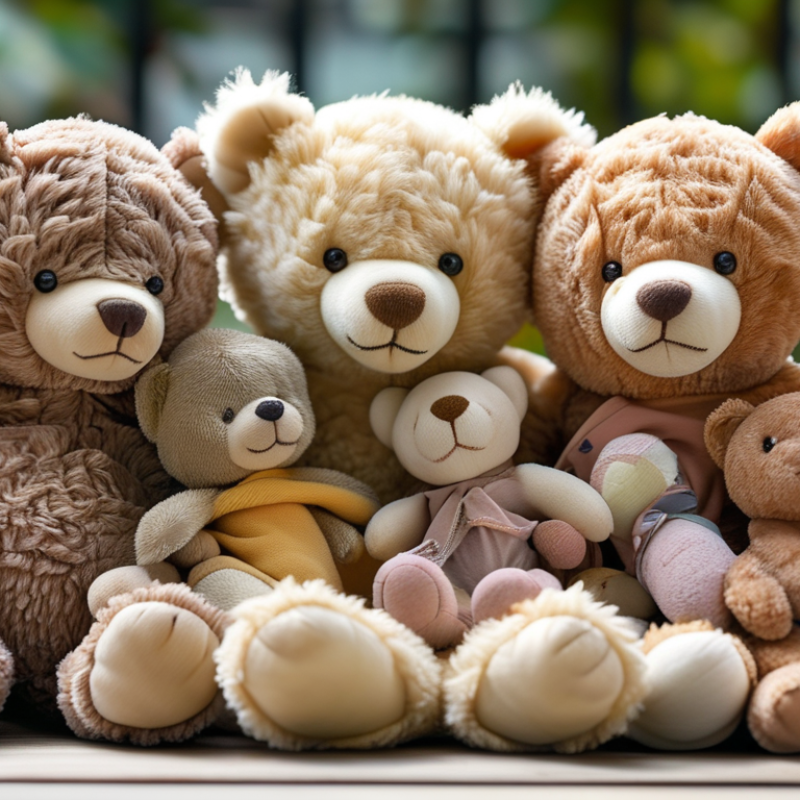
Plush Toys Age Guidelines 5 Tips for Choosing the Right Age

Time:2026-07-10 Author:Henry
0%

Choosing plush toys for children involves careful consideration of their age and developmental stage. Parents often wonder, "what age are plush toys suitable for?" According to the American Academy of Pediatrics, toys play a critical role in children's development. The right plush toy can promote emotional bonding, imaginative play, and even sensory skills.

Industry reports indicate that over 85% of parents prefer age-appropriate toys. This choice greatly affects how children interact with their toys. Plush toys should be suitable for different age groups—from infants needing soft, safe materials to older children who enjoy more complex designs.

Despite the guidance available, many parents face confusion. For instance, some plush toys may pose choking hazards or contain non-child-safe materials. This highlights the need for informed choices. It's vital to reflect on the age and interests of your child when selecting a plush toy to ensure it meets their emotional and developmental needs effectively.

Plush Toys Age Guidelines 5 Tips for Choosing the Right Age

Importance of Age Guidelines for Plush Toys

When choosing plush toys, age guidelines are essential. They ensure safety and developmental appropriateness for children. Plush toys often include small parts that could pose choking hazards for younger kids. Therefore, it’s crucial to check age recommendations on the packaging.

One tip is to consider the child’s maturity level. A toy that suits a toddler may not engage an older child. Similarly, a toy intended for older kids might be frustrating for a younger child. The difference in skill levels can create a disconnect, leading to disappointment.

Another tip is to think about the toy's purpose. For young kids, soft, cuddly toys can provide comfort. However, as they grow, they seek interactive play. It’s not just about looks; the right plush toy should spark imagination and creativity. Each child is unique, and sometimes, a toy may surprise you with its appeal. Reflecting on these points can help you choose wisely.

Understanding Child Development Stages

Choosing plush toys that align with developmental stages is crucial for children's growth. As children reach different ages, their needs and interests change significantly. Understanding these stages helps parents make informed choices. For instance, babies from 0-1 year often benefit from toys that stimulate their senses. Soft textures and gentle sounds can enhance their sensory exploration.

When selecting toys, consider these tips. Look for age-appropriate features. For toddlers, interactive plush toys can encourage language development. Toys that make sounds or can be manipulated stimulate curiosity and motor skills. For preschoolers, characters from their favorite stories can foster imaginative play. Always observe how your child interacts with different toys, as preferences vary widely.

Another important aspect is safety. Check for small parts which can be choking hazards for younger children. It's also vital to choose materials that are non-toxic and washable. Regularly inspect the toys for wear and tear, as damaged toys can pose risks. As children play, their developmental needs evolve, reflecting their growing independence and understanding of the world around them.

Plush Toys Age Guidelines

Factors to Consider When Choosing Plush Toys

When choosing plush toys, it’s essential to consider several key factors. Age appropriateness is one of the most vital aspects. The American Academy of Pediatrics advises that toys should match a child's developmental stage. For infants, soft textures and simple shapes are crucial, while toddlers are ready for toys with more interactive features.

Safety is another important consideration. Plush toys should be free from small parts that pose choking hazards. A report from the U.S. Consumer Product Safety Commission indicates that toys account for about 200,000 emergency room visits annually due to injuries. Therefore, investing in toys with safety certifications can significantly reduce risks.

Moreover, the toy's educational value should not be overlooked. Research has shown that toys that promote imaginative play can enhance cognitive development. However, some parents may find themselves drawn to characters or themes that may not enrich their child’s learning experience. Reflecting on the purpose of the plush toy is essential to ensure it aligns with developmental goals. Remember that the right choice can foster growth while the wrong one might stunt it.

Safety Standards and Regulations in Plush Toys

When selecting plush toys, understanding safety standards is crucial. According to a report by the Consumer Product Safety Commission (CPSC), over 200,000 toy-related injuries occur annually in the U.S. alone. These incidents often involve plush toys that do not meet established safety criteria. Parents must ensure that toys adhere to ASTM International standards, which cover aspects like choking hazards and material safety.

One significant aspect is the age recommendations provided by manufacturers. Toys aimed at younger children should not contain small parts. Toys for older kids may have more intricate designs but must also consider compliance with flammability standards. According to the American Academy of Pediatrics, parents should examine labeling carefully to ensure the toy's design fits the child's age.

Not all plush toys are created equal. Some may have loose threads, and poorly secured eyes, which can pose risks. The CPSC also notes that a lack of supervision contributes to many accidents. It’s essential to stay informed about recalls and potential hazards. While plush toys can provide comfort and joy, their safety should always come first.

Using a cautious approach and referencing reliable resources will help parents make informed choices.

Tips for Selecting Age-Appropriate Plush Toys

When selecting plush toys, consider safety and age appropriateness. Babies might enjoy soft, small toys without small parts. Choose a plush that is easy to wash. Some toys can gather dust and allergens. A washable option helps maintain cleanliness.

For toddlers, vibrant colors and interactive features captivate their interest. Look for toys that offer sensory experiences. Textures, sounds, and sizes should engage their curiosity. But keep in mind, some toys may be overwhelming. A balance of stimulation is crucial for healthy play.

Preschoolers benefit from imaginative toys that inspire creativity. Look for characters or animals they can relate to. However, avoid overly complex toys that might frustrate them. They should encourage positive interactions and enhance social skills. Always check for age ratings.

Plush Toys Age Guidelines

Age Group Recommended Plush Toy Features Safety Considerations Suggested Toy Examples
0-12 Months Soft, colorful, and easy to grasp No small parts, machine washable Baby-safe plush rattles
1-3 Years Durable, engaging textures, squeakers Non-toxic materials, no loose parts Plush animal toys with sound
3-5 Years Interactive, themed toys, easy to clean Ensure no choking hazards Character-themed plush toys
5-7 Years More complex designs, imaginative play Check for durability Plush dolls and action figures
7+ Years Collectible, themed plush toys, plush crafting kits Age-appropriate materials Designer plush toys

FAQS

: What should I consider when choosing plush toys for infants?

: For infants, opt for soft textures and simple shapes. Safety is crucial to avoid choking hazards.

How can I ensure plush toys are safe for my child?

Look for toys without small parts. Safety certifications can help reduce risks of injury.

Why is educational value important in plush toys?

Toys that promote imaginative play enhance cognitive development. Reflect on how the toy supports learning.

What features should plush toys have for toddlers?

Choose vibrant colors and interactive features. Sensory experiences like textures and sounds are beneficial.

How can I maintain cleanliness in plush toys?

Select plush toys that are easy to wash. They can collect dust and allergens. Regular cleaning is essential.

Are plush toys suitable for preschoolers?

Yes, preschoolers benefit from imaginative toys. However, avoid overly complex designs that may frustrate them.

How can I prevent sensory overload in toddlers?

Balance stimulation with engaging but manageable features. Too much sensory input can overwhelm them.

Why is it important to check age ratings on toys?

Age ratings guide you to appropriate toys for developmental stages. They ensure safety and play suitability.

What should I do if a toy doesn’t meet my child’s needs?

Reflect on the toy's impact on growth. If it stunts creativity or frustrates them, reconsider your choice.

Can characters influence my toy selection?

Characters may attract children, but not all promote learning. Choose wisely to enhance your child's experience.

Conclusion

When selecting plush toys for children, it's crucial to understand "what age are plush toys suitable for" as it directly impacts children's safety and development. Age guidelines are designed to align with various child development stages, ensuring that the toys are not only safe but also stimulating and appropriate for a child's growing abilities.

Factors to consider include material safety, size, and the complexity of the plush toy, as these elements affect how children interact with them. Additionally, manufacturers follow safety standards and regulations, which help in determining the right age range for each toy. By considering these aspects, parents and caregivers can make informed decisions that support healthy play experiences for children.

Henry

Henry

Henry is a dedicated marketing professional with a profound expertise in the company's offerings. With years of experience in the industry, he possesses an impressive understanding of the market dynamics and consumer behaviors that drive success. Henry is committed to sharing his insights through......