The plush toy industry is a fascinating realm that combines creativity, engineering, and craftsmanship. The global market for plush toys is projected to reach $9.6 billion by 2025, reflecting a steady growth rate of 6.9% from 2020. This growth underscores the increasing demand for soft toys that evoke comfort and nostalgia. But, how are plush toys manufactured from start to finish?
Understanding the manufacturing process is crucial to appreciating the quality of these beloved toys. Manufacturers begin by designing prototypes, often using software to conceptualize end products. The choice of materials follows, with cotton and polyester being the most common. This detail is vital, as the materials must meet safety standards, particularly for children's products. After cutting the fabric, the components are sewn together and filled, transforming flat fabric into cuddly figures.
Despite advancements in technology, the handmade touch remains a hallmark of many plush toys. Workers often oversee the assembly process to ensure high-quality standards. However, production can sometimes lack empathy, focusing primarily on efficiency. As the industry evolves, it faces challenges in sustainability, prompting reflection on manufacturing practices. This blend of artistry and industry poses an intriguing question: how are plush toys manufactured? The answer lies in the careful balance between innovation and tradition.
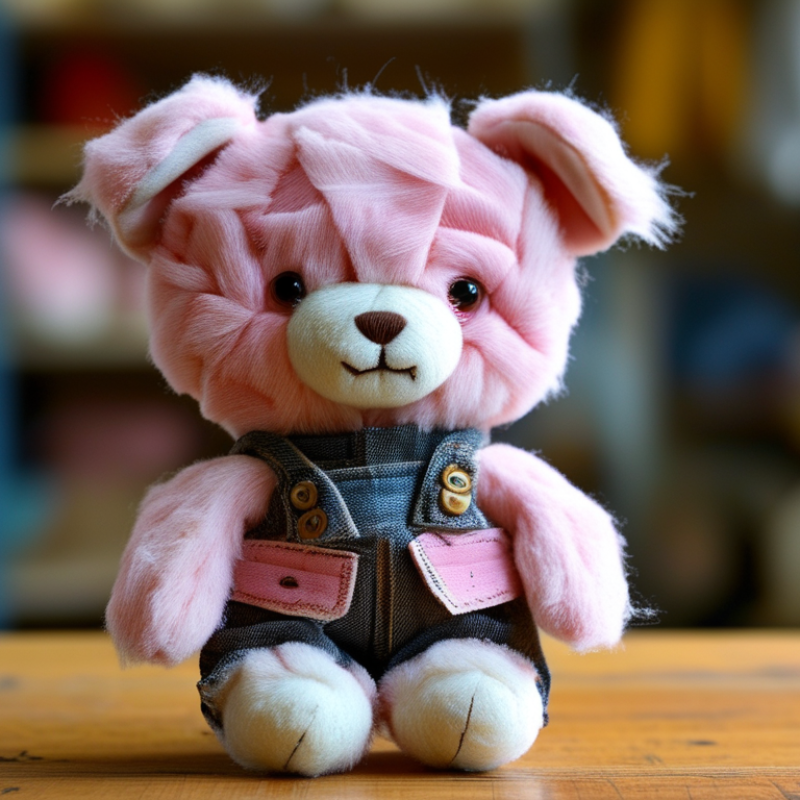
Overview of Plush Toy Manufacturing Process
The manufacturing process of plush toys is both intricate and fascinating. It begins with the design phase, where skilled artists create patterns and prototypes. They choose soft fabrics like polyester or cotton. These materials are selected for comfort and durability, ensuring a joyful experience for users. After finalizing designs, advanced technology aids in cutting shapes from fabric pieces.
Once the fabric is cut, the sewing process begins. Machines and manual labor combine to attach details, like eyes and noses. This step requires precision to ensure each toy is appealing. Quality control checks follow. Even the smallest imperfection can affect a toy's charm. Workers must be diligent in spotting flaws and making adjustments.
Filling the toys with stuffing is the next critical step. Soft, premium filling makes plush toys cuddly and huggable. This process demands care; too much stuffing can distort the toy's shape. After filling, a final inspection occurs. Inconsistent shapes must be addressed. The toy is finally ready for packaging. Each stage of the process needs attention to detail. Reflections on improvement are always welcome.
Materials Selection for Plush Toy Production
The material selection process for plush toy production is crucial. It starts with understanding the desired texture and safety standards. Common materials include polyester, cotton, and various synthetic fibers. Each material has its own unique characteristics. For instance, polyester is durable and easy to wash, while cotton is soft and breathable.
Different functionalities also guide material choice. For toys intended for infants, compliance with safety regulations is essential. This means avoiding materials that could pose choking hazards. The weight and feel of each fabric affect the overall appeal and safety.
Pay attention to the sourcing of materials. Sustainable options are increasingly popular. They reflect a growing awareness of environmental impact.
Before finalizing materials, consider how they will be used. Testing for colorfastness and durability is important. Often, prototypes are made to ensure the chosen materials perform well.
Reflect on the importance of these decisions. Each choice affects the final product's quality. Aim for a balance between aesthetics and functionality.
Materials Used in Plush Toy Production
Designing Plush Toys: From Concept to Prototype
Designing plush toys is an intricate process that involves creativity and technical skill. It begins with brainstorming ideas, focusing on what makes a toy appealing. Designers sketch various concepts, aiming for unique shapes and features. This stage is crucial, as it sets the foundation for everything that follows. The design must balance aesthetics with functionality, ensuring the toy is safe for children.
Once the concepts are solid, designers create prototypes. This phase involves selecting materials like soft fabrics and durable stuffing. The prototype helps to visualize the final product and pinpoint any flaws. During this stage, some designs don't translate well from paper to fabric. It’s essential to seek feedback and make necessary adjustments. Prototyping can be repetitive, with multiple iterations needed to achieve the desired look and feel. The process can be challenging, leading to reflections on what works and what doesn't.
These experiences teach valuable lessons about perseverance. Each tweak can enhance the plush toy’s appeal. Designers must be open to failure and ready to innovate. Combining art with practicality fosters toys that delight children and parents alike. Embracing imperfection in this creative journey often results in the best outcomes. The path from concept to prototype is dynamic and ever-evolving.
Manufacturing Techniques: Cutting, Sewing, and Stuffing
Plush toys begin their journey with careful cutting of fabric. Designers often choose soft, vibrant materials that will appeal to children. Pattern pieces are traced onto fabric and then cut with precision. This step is critical as the accuracy of the cuts affects the overall look of the final product. Even a small error can lead to misaligned seams.
After the cutting, sewing brings the plush toy to life. Skilled workers use sewing machines to stitch pieces together. They must ensure tight seams to contain the stuffing. Each toy requires attention to detail, particularly in areas that will be touched or hugged. Quality control checks often reveal mistakes, reminding us that perfection is a constant pursuit.
Stuffing is the final stage. Synthetic fibers are typically used to create a plush, cuddly feel. Workers must be careful not to overstuff or underfill, as both can ruin a toy's charm. This delicate balance results in a product that is not just a toy; it becomes a trusted companion for many children. The production process is intricate and requires both skill and reflection on areas for improvement.
Quality Control and Safety Standards in Plush Toy Production
Quality control is crucial in plush toy manufacturing. Each toy must meet safety standards to protect children. Factories often conduct rigorous tests during the production process. These tests check for loose parts, harmful materials, and overall durability. Manufacturers work closely with safety organizations to stay updated on regulations.
Maintaining high quality in plush toys requires constant monitoring. It's essential to inspect materials for toxic substances. Choosing non-toxic dyes is a must. Production lines should be equipped with machines that can detect flaws. Regular checks can reduce the risk of recalls. A single defective toy can lead to serious consequences.
When selecting plush toys, consumers should look for certification labels. These indicate compliance with safety standards. Paying attention to the stitching and seams can reveal the toy's quality. A tightly sewn plush is less likely to have stuffing leakage. Remember, quality matters more than price in ensuring safety for children.
How Are Plush Toys Manufactured From Start to Finish? - Quality Control and Safety Standards in Plush Toy Production
| Stage of Production |
Description |
Quality Control Measures |
Safety Standards |
| Design |
Creating original designs and prototypes of plush toys. |
Prototype testing for durability and appeal. |
Compliance with ISO 8124 for design safety. |
| Material Selection |
Choosing the right fabrics and filling materials. |
Testing materials for toxic substances. |
EU REACH regulations compliance. |
| Production |
Manufacturing plush toys through sewing and assembly. |
Regular inspections during production. |
EN71 (European safety standard for toys) adherence. |
| Quality Testing |
Final products are tested for quality and safety. |
Drop tests, seam strength tests, and wash tests. |
ASTM F963 compliance in the USA. |
| Packaging |
Packing plush toys for distribution. |
Inspection of packaging integrity. |
Labeling according to safety regulations. |
| Distribution |
Shipping products to retailers or directly to consumers. |
End-of-line testing for shipment readiness. |
Compliance with international shipping standards. |
Conclusion
The process of how are plush toys manufactured involves several key stages, ensuring that each toy meets quality and safety standards. First, materials are carefully selected, typically involving a combination of soft fabrics and safe stuffing materials to create a pleasant tactile experience. Designers then transition from concept to prototype, where they sketch and create a sample that embodies the toy’s character and function.
Manufacturing techniques include precise cutting, sewing, and stuffing of the materials. Each step requires skilled craftsmanship to ensure durability and aesthetic appeal. Finally, rigorous quality control measures are implemented to assess safety standards and overall quality, ensuring that the finished plush toys are not only delightful but also safe for children. This comprehensive process highlights the intricate journey from an idea to a beloved cuddly companion.
 Tazz Toy
