Tazz Toy
For many children, the world can feel overwhelming. Loud noises, new places, and social interactions may lead to anxiety. In such situations, the comfort of plush toys often emerges as a beacon of hope. Parents frequently wonder, can plush toys help reduce anxiety in children? Research indicates that these soft companions can play a crucial role in a child's emotional development.
Plush toys serve multiple functions. They are not just playthings; they offer emotional support. When a child feels anxious, squeezing a stuffed animal can provide immediate relief. This simple act can create a sense of safety and security. Moreover, plush toys can foster imaginative play, enabling children to express their feelings. When they narrate stories with these toys, it allows them to explore their emotions.
However, it's important to reflect on how reliance on plush toys can limit communication. Some children may choose their toys over verbalizing feelings. Encouraging open dialogue is vital. Plush toys can aid comfort, but they should not substitute connection with caregivers. Ultimately, while plush toys are beneficial, a balanced approach is necessary for effective emotional support.
Anxiety is a common issue among children. It can stem from various sources. School pressures, social dynamics, or family changes can trigger anxious feelings. Many children may not have the words to express their emotions. This can lead to frustration and isolation. Understanding anxiety is crucial for parents and caregivers.
By identifying symptoms, adults can provide better support. Common signs include withdrawal, excessive worry, or physical complaints like stomachaches. It’s important to create a safe space for children. Open communication can help them express their fears. Often, children find comfort in routines and familiar activities.
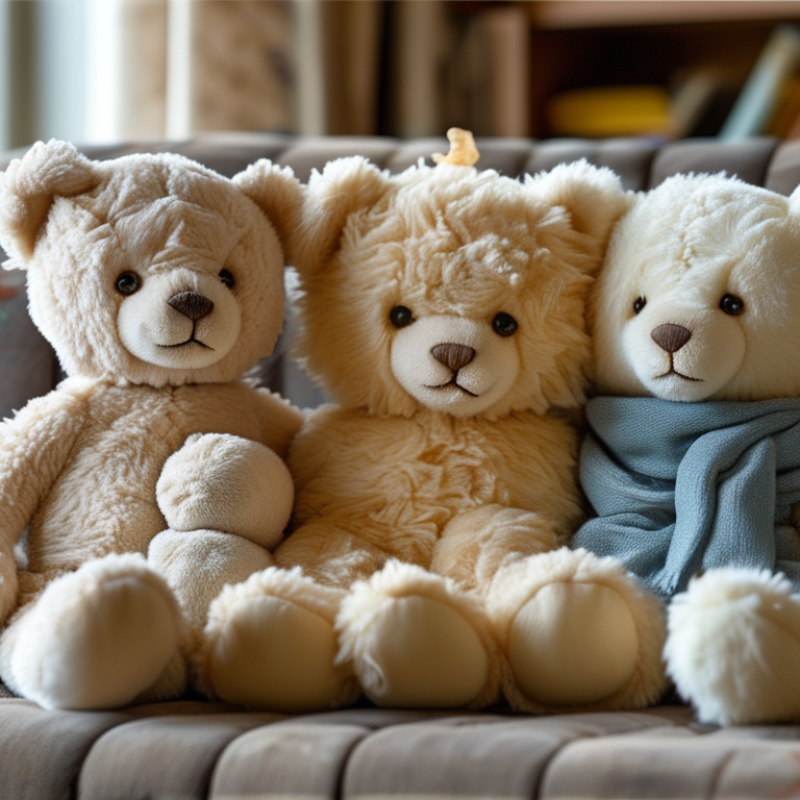
Plush toys play a unique role in this. They offer a tactile source of comfort. Holding a soft toy can create a calming effect. Children might confide in their plush companions. This interaction can help them process their feelings. Recognizing these dynamics can help adults support anxious children effectively. Emphasizing emotional understanding is key to nurturing resilience.
This chart illustrates the levels of anxiety in children measured on a scale from 0 to 10, before and after the introduction of plush toys over a period of one month. As shown, there is a significant reduction in anxiety levels observed shortly after introducing plush toys, making them a beneficial tool for emotional support.
Plush toys offer significant emotional support to children facing anxiety. These soft, cuddly companions provide comfort and security. When children experience fear or stress, they can hug their plush toys and feel an immediate sense of relief. The tactile sensation and warmth from these toys create a calming effect. This simple action can be surprisingly powerful.
Many children develop strong attachments to their plush toys. They often talk to them, share secrets, and even role-play scenarios. This process allows children to express their feelings and explore complex emotions. By personifying their toys, they can navigate their fears in a safe environment. The plush toys become confidants, helping children to articulate feelings they may not fully understand.
However, reliance on plush toys can lead to challenges. Some children may struggle to cope with anxiety when a toy is unavailable. This highlights a vital point: while plush toys can be helpful, it's essential to teach children additional coping mechanisms. Encouraging open conversations about feelings or creating healthy outlets for stress can foster emotional resilience.
Balancing the use of plush toys with other practices can equip children for various situations they may face.
Plush toys serve as more than just playthings; they are emotional support objects for anxious children. Many children find comfort in the softness and warmth of these toys. Holding a plush toy can create a sense of safety, helping children feel less alone during stressful times. The tactile experience of squeezing or cuddling a toy offers a soothing sensation, which can effectively reduce anxiety.
These toys often become companions during difficult moments, such as a thunderstorm or a doctor's visit. Children may talk to their plush friends about fears they cannot express to adults. This can provide a sense of relief. The act of sharing feelings with a non-judgmental toy encourages emotional regulation. While some parents might overlook this, creating an emotional bond with a plush toy serves a real purpose in a child's life.
However, not all children respond the same way to plush toys. Some may feel detached or find comfort elsewhere. It is crucial to observe each child's unique relationship with these items. Encouraging a healthy balance of attachment is essential. While plush toys provide comfort, they should not replace necessary communication with trusted caregivers. Understanding this dynamic is the key to supporting anxious children effectively.
Cuddling plush toys can provide significant psychological benefits for children. These soft companions often serve as safe objects, offering comfort during stressful moments. When children hug a plush toy, they experience a sense of security. This tactile experience promotes calmness and reduces anxiety.
Research suggests that the act of cuddling can release oxytocin, often known as the "love hormone." This hormone enhances feelings of trust and emotional connection. For many children, plush toys become trusted friends who listen without judgment. They can help children navigate their emotions during times of change. This connection can be vital during challenging moments, such as family transitions or starting school.
However, some parents might worry that reliance on toys could hinder emotional development. It's essential to balance the use of plush toys with other forms of emotional support. Encouraging children to express their feelings openly remains crucial. While plush toys are helpful, they should complement healthy communication and coping strategies. Creating a nurturing environment with both plush toys and open dialogues can foster resilience in children.
Plush toys provide comfort and security for children facing anxiety. One practical way to incorporate these toys is during bedtime. Soft toys can be a soothing presence, helping children feel safe in their rooms. Parents can encourage their children to talk to their toys, creating a safe space for expressing feelings. This role-playing can help children process their emotions.
Another effective method is using plush toys in stressful situations. For example, having a favorite toy during a doctor's visit can ease anxiety. Children can hug their toy, focusing on its texture and weight. This sensory interaction often calms their nerves. Creating a routine where plush toys accompany children during new experiences can build confidence.
It’s essential to note that not every child reacts the same way. Some may find comfort, while others might not connect with plush toys. Observing how each child responds is vital. Parents should remain open to adjusting approaches based on their child’s needs. Each child’s journey with anxiety is unique, and exploration is crucial.
: Cuddling plush toys offers comfort and security, reducing anxiety and promoting calmness in stressful situations.
Hugging a plush toy can release oxytocin, enhancing feelings of trust and emotional connection.
Plush toys can provide comfort and help children navigate their emotions during difficult changes.
Yes, over-reliance on toys might impede emotional growth. Balance is important with other support methods.
Parents should promote open dialogue while allowing children to talk to their plush toys for emotional expression.
Parents can encourage children to cuddle soft toys for comfort, making bedtime feel safer and more secure.
No, reactions vary. Some children may find comfort, while others might not connect emotionally.
Having a favorite toy during stress, like doctor visits, can help calm nerves through sensory interaction.
Yes, it's crucial to observe individual responses and adjust methods for better emotional support.
Definitely. Each child's journey is unique, and exploring different comfort sources is essential.
Plush toys can play a significant role in reducing anxiety in children by providing emotional support and a sense of security. Understanding anxiety in children is crucial, as it often manifests through feelings of fear and overwhelm. Plush toys serve as comforting companions, allowing children to express their emotions and cope with stress. The act of cuddling a plush toy can create a calming effect, offering a tangible source of comfort that helps children feel safe.
Incorporating plush toys into a child’s routine can enhance their overall emotional well-being. Practical ways to use plush toys for anxiety relief include creating a safe space for play and establishing a nighttime ritual that involves cuddling their favorite toy. This interaction fosters a sense of connection and reassurance, ultimately leading to a decrease in anxiety levels. Therefore, it is clear that plush toys can help reduce anxiety in children by acting as supportive allies in their emotional journey.