Tazz Toy
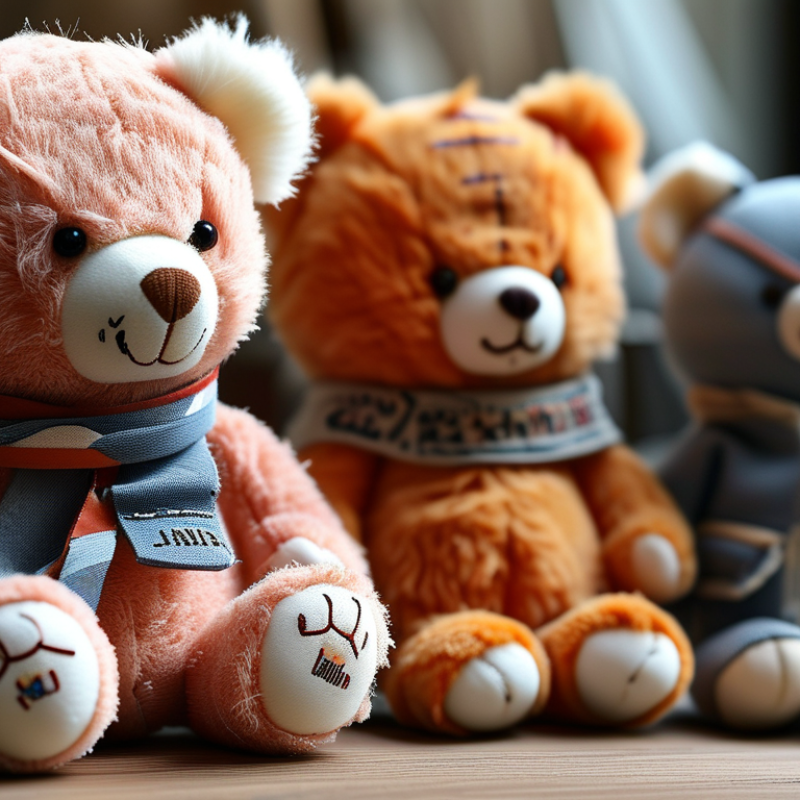
Starting a private label plush toy business in China can turn a simple character into a recognizable product line. The process begins with a clear idea, not a factory quotation. Define the toy’s age group, size, fabric, filling, colors, packaging, and target price. A small bear with embroidered eyes needs a different production plan than a large, jointed mascot. Your concept should also include original artwork and documented ownership rights.
Marty Neumeier, a respected branding authority, offers a useful principle: “A brand is not what you say it is. It’s what they say it is.” This matters when learning how to start a private label plush toy business. Chinese manufacturers can support sampling, material selection, labeling, and bulk production. However, their capabilities differ widely. Ask for factory photos, production records, sample revisions, and quality-control procedures. Do not choose only by the lowest quote. Cheap fabric can create shedding, color, or durability problems.
A practical plan should cover supplier research, prototype approval, safety testing, packaging design, inspection, shipping, and customer feedback. Request samples before paying for large production. Check seams, stuffing, embroidery, odors, loose parts, and washing performance. Requirements vary by market, so qualified testing agencies and local compliance specialists should review the final product. Some founders underestimate packaging costs. Others approve a sample too quickly. That mistake can become expensive. Your first design may need uncomfortable changes. That is normal. A strong business improves through measured testing, careful documentation, and honest reactions from real customers.
How to Start a Private Label Plush Toy Business in China?
Published 2024 market reports estimate the global plush toy market at several billion US dollars, but figures vary by research method. Treat these numbers as direction, not proof. Demand is strongest where comfort, gifting, and collectible appeal overlap. Children remain important buyers, yet parents often control the purchase. Teenagers and young adults also seek small plush toys for desks, travel bags, and emotional comfort.
Divide your research into clear buyer segments. Parents usually value washable fabric, secure stitching, soft filling, and age-appropriate sizing. Gift buyers may prefer expressive faces, seasonal colors, and attractive packaging. Collectors often care about limited designs, consistent quality, and repeat releases. A 15-centimeter plush can suit impulse purchases, while a 30-centimeter version may support premium pricing. These assumptions need testing.
Start with three or four original sketches in China. Ask buyers to rank shape, color, size, and price through short surveys. Then order samples before committing to production. Inspect seams, embroidery, filling density, fabric odor, and packaging strength. My first forecast would be too optimistic if based only on online likes. Real deposits, sample requests, and repeat inquiries are stronger signals. Keep a small pilot order, even when a factory offers a lower unit price at higher volume. That decision may reduce margin, but it protects cash while demand remains uncertain.
China’s toy retail market increased from RMB 77.97 billion in 2020 to an estimated RMB 95.4 billion in 2024. This expanding market supports demand testing for plush toys, especially among children aged 0–14 and adult gift buyers aged 15–59.
Source: China Toy and Juvenile Products Association industry data; 2024 figure based on the reported annual growth rate applied to the 2023 market baseline. Market size is shown as a category-level demand proxy, not a brand-sales ranking.
How to Start a Private Label Plush Toy Business in China?
An IP-safe plush toy begins with an original concept, not a changed copy. Create dated sketches, character notes, color references, and design revisions. Search existing registrations before sending files to a factory. A simple similarity check is not enough. Reviewers should examine names, shapes, facial features, clothing, and packaging separately. Secure written ownership terms for artwork, patterns, molds, and production files.
Safety must guide the sample from its first stitch. GB 6675 applies to toys placed on the Chinese market. EN 71 supports European compliance planning, while ASTM F963-23 covers United States requirements. These standards can differ. Confirm the target market before testing. Check seams, embroidery, stuffing, dyes, fasteners, and small detachable parts. Test age-related risks, flammability, mechanical properties, and restricted substances through a qualified laboratory. Keep test reports linked to the exact material batch and sample version.
Details matter. Tiny plastic eyes can become a serious hazard. Loose threads can expose weak stitching. A supplier’s old report may not match your new fabric. Ask for production samples, inspection records, and corrective-action evidence. Do not rely on verbal promises. IP protection also needs practical controls, including limited file access and clear manufacturing agreements. A prototype may still fail after careful planning. That is uncomfortable, but useful. Recheck the design when the filling, fabric, or factory changes. Standards guide decisions; they do not replace professional testing and legal review.
| Business Stage | Data Dimension | China: GB 6675 Framework | European Union: EN 71 Framework | United States: ASTM F963-23 Framework | Recommended Business Evidence |
|---|---|---|---|---|---|
| 1. Concept | Target age and intended use | Use the applicable toy-safety requirements in GB 6675 and establish an age grade before design approval. Age grading must reflect the toy’s foreseeable use, not only the marketing preference. | EN 71 requirements depend on the intended age group and product characteristics. Avoid using an under-36-month classification unless the design and safety assessment support it. | ASTM F963-23 applies to toys intended for children under 14 years. Age determination affects small-parts, labeling, testing, and certification obligations. | Approved age-grade rationale, intended-use statement, foreseeable-misuse review, and product-risk assessment. |
| 2. IP Screening | Original character and design clearance | Product-safety standards do not grant intellectual-property rights. A design should be independently created and screened against applicable Chinese trademark, copyright, and design-patent records. | Perform territory-specific clearance for the EU markets where the product will be sold, including trademarks, registered designs, copyright, and unfair-competition risks. | Check U.S. trademark, copyright, design-patent, trade-dress, and character-related risks before commercial use. | Dated sketches, designer agreements assigning rights, search records, design-approval forms, and supplier non-infringement warranties. |
| 3. Design Engineering | Seams, attachments, eyes, noses, and decorative parts | GB 6675.2 addresses mechanical and physical properties, including hazards from accessible parts, seams, attachments, and foreseeable use. | EN 71-1 covers mechanical and physical properties, including accessibility, tensile strength, seam strength, and detachable components where applicable. | ASTM F963-23 includes requirements and test methods for small objects, accessible components, sharp points, sharp edges, and structural integrity. | Technical drawings, attachment specifications, seam-construction standards, pull-test results, and golden-sample approval. |
| 4. Material Selection | Fabric, filling, thread, coatings, prints, and accessories | GB 6675.3 addresses migration of certain elements from accessible materials. Other applicable chemical restrictions may also apply depending on the material and market. | EN 71-3 addresses migration of certain elements from toy materials. EN 71-2 addresses flammability; additional EU chemical rules may apply separately. | ASTM F963-23 contains requirements for toy materials and specified elements. U.S. federal requirements can also include lead, phthalates, tracking labels, and other applicable rules. | Material declarations, supplier test reports, batch traceability, restricted-substance specifications, and approved-material list. |
| 5. Physical Safety | Small parts and detachable components | For toys likely to be used by young children, accessible components must be evaluated for foreseeable detachment and ingestion hazards under the applicable GB 6675 requirements. | EN 71-1 includes small-part and accessibility assessments. Products containing small parts may require an age warning or may be unsuitable for children under 36 months. | ASTM F963-23 includes small-object requirements and testing. Products with small parts require the applicable U.S. choking-hazard warning and age restriction. | Component inventory, pre- and post-conditioning pull tests, small-parts test records, and packaging-warning review. |
| 6. Flammability | Pile fabric, plush surface, filling, and decorative textiles | Evaluate textile and toy flammability under the applicable GB 6675 requirements and any destination-market rules. | EN 71-2 specifies flammability requirements and test methods for toys, including certain textile and plush constructions. | ASTM F963-23 includes flammability requirements for toys and materials. Additional U.S. textile regulations may be relevant depending on the product. | Fabric composition records, flammability test report, treatment disclosure, and change-control procedure for fabric suppliers. |
| 7. Chemical Compliance | Migration, heavy metals, coatings, inks, and plasticized parts | Use GB 6675.3 testing where applicable and verify other Chinese mandatory or market-access chemical requirements for the selected materials. | Use EN 71-3 for migration of certain elements and review applicable EU chemical legislation, including restrictions that may apply beyond EN 71. | Use ASTM F963-23 testing where applicable and review U.S. federal chemical requirements, including lead and phthalate limits when relevant. | Component-level laboratory reports, declarations of conformity, restricted-substance matrix, and production-batch material controls. |
| 8. Prototype Testing | Pre-production risk verification | Test representative prototypes against relevant GB 6675 parts before mass production. A supplier’s general certificate is not a substitute for product-specific evidence. | Use a product-specific EN 71 test plan and identify whether additional electrical, sound, cosmetic, or chemical requirements apply. | Use an accredited or suitably qualified laboratory and maintain the technical documentation needed for the U.S. certification process. | Prototype sample IDs, test plan, laboratory quotation, failure-correction log, and signed pre-production approval. |
| 9. Labeling & Packaging | Warnings, manufacturer information, batch traceability, and packaging | Apply required Chinese product identification, warnings, age information, and traceability markings under applicable mandatory standards and regulations. | Provide required CE marking and applicable warnings, instructions, importer information, and traceability details for the EU market. | Provide applicable age grading, choking-hazard warnings, tracking information, and other labeling required under U.S. toy regulations. | Final artwork approval, multilingual label checklist, packaging bill of materials, batch code format, and market-specific warning review. |
| 10. Production Control | Consistency between tested sample and shipment | Maintain consistency in fabric, filling, dimensions, attachments, colors, and construction. Material or design changes may require a new assessment or test. | Maintain technical documentation and production controls supporting the conformity assessment for the exact marketed product. | Maintain a reasonable testing program, certification records, and production controls supporting the children’s product certificate. | Approved golden sample, incoming inspection records, in-line inspection points, final AQL plan, and change-notification clause. |
| 11. Documentation | Technical file and compliance records | Retain product specifications, material information, inspection records, and relevant test evidence for the required regulatory and commercial period. | Prepare technical documentation supporting EU toy-safety conformity, including risk assessment, test reports, product description, and applicable declarations. | Maintain the records needed for the applicable U.S. children’s product certification and supporting test documentation. | Digital compliance folder containing design files, IP records, supplier declarations, test reports, labels, invoices, and shipment batch records. |
| 12. Launch Decision | Go/no-go criteria for private-label release | Release only after applicable GB 6675 requirements, labeling, quality controls, and market-specific obligations are verified. | Release only after the conformity route is complete and the product bears the required CE marking and supporting documentation. | Release only after applicable testing, labeling, tracking, and children’s product certification requirements are complete. | Signed launch checklist with zero open critical failures, approved packaging, valid reports, confirmed IP clearance, and traceable production batch. |
Launching a private label plush toy business in China starts with a factory shortlist, not a logo. Global toy sales reached about USD 108.7 billion in 2023, according to Circana’s industry review. Plush products remain attractive because they are giftable, collectible, and easy to customize. Yet low entry volume matters. Request an MOQ between 300 and 1,000 pieces for a first production run. A smaller MOQ can reduce inventory risk, but it may raise unit costs and limit fabric choices.
A practical supplier target is a 30–60-day lead time after sample approval, deposit, and artwork confirmation. Ask for a dated production schedule. It should include material purchasing, embroidery, stuffing, sewing, inspection, and packing. I have seen attractive timelines fail when custom fabric arrives late. Build a seven-day buffer. It is not perfect, but it is realistic. According to the 2024 Global Supply Chain Pressure Index, shipping and production disruptions remain important planning risks.
Tips: Use AQL 2.5 for normal major-defect sampling, but define defects clearly in the purchase agreement. AQL 2.5 does not mean zero defects. Set critical defects at zero, and specify tolerances for loose threads, stains, uneven stitching, incorrect labels, and size differences. Request pre-shipment photos and an independent inspection report. The ISO 2859-1 sampling framework can support the inspection plan, although it cannot replace product testing. A factory with a low MOQ may still be unsuitable if it cannot document materials, corrective actions, and repeatable quality records.
Starting a private label plush toy business in China requires a landed-cost spreadsheet, not only a factory quote. China’s standard VAT rate for many goods is 13%, according to the State Taxation Administration. However, export pricing may involve VAT refunds or VAT-inclusive invoices. Do not add 13% twice. Confirm the supplier’s tax status and invoice terms in writing.
Build the model with four visible layers: product cost, VAT treatment, freight, and import charges. Include fabric, filling, embroidery, packaging, inspection, and inland delivery. Add ocean or air freight from the forwarder’s written quotation. Then apply the destination’s tariff classification and duty rate. The World Customs Organization explains that HS classification drives customs treatment, so plush toys should be reviewed before production. Import VAT, brokerage, port handling, and storage also belong in the landed figure.
A 30% deposit affects cash flow, even when it does not change final unit cost. For 1,000 units at 4 dollars each, the deposit is 1,200 dollars. The remaining 2,800 dollars is due before shipment. Add freight and estimated duty separately. Circana reported that global toy sales declined 7% in 2023, making pricing discipline more important. Small errors compound. My first costing sheet missed destination handling fees. It looked profitable, but the margin disappeared after arrival. Keep a 5% to 10% contingency, then test the model against the final commercial invoice and freight bill.
Starting a private label plush toy business in China requires more than selecting a soft fabric and attractive shape. Product safety should guide the project from the first sample. Request material specifications, stitching details, stuffing information, and production records from the factory. Then arrange third-party testing through a qualified laboratory. Test results should match the final production version, not an earlier sample.
Keep a clear CPSIA file for products sold in the United States. It may include test reports, the Children’s Product Certificate, tracking label details, supplier declarations, and corrective-action records. The responsible importer or manufacturer should confirm current requirements with qualified compliance counsel. Small changes matter. A different dye, thread, eye attachment, or filling can affect testing. Do not assume a previous report covers every future design.
Use a 3PL warehouse to receive, count, photograph, and label cartons before sales begin. Store each SKU separately, with batch numbers linked to inspection records. Track sell-through, defect rate, order accuracy, stock cover, and supplier lead time every week. A practical reorder point combines average weekly sales, production lead time, and safety stock. Keep the calculation visible. A common mistake is ordering from optimistic forecasts. My own preference is to begin with controlled quantities, review two or three sales cycles, and adjust gradually. This approach may feel slower, but it exposes weak packaging, uneven stitching, or poor demand earlier. Reorder decisions should use evidence, not excitement.
: Create three or four original sketches. Ask buyers to rank shape, color, size, and price. Order samples before committing to production. Online likes can mislead. Deposits and repeat inquiries provide stronger evidence.
Parents often seek washable fabric, secure stitching, soft filling, and suitable sizing. Gift buyers may prefer expressive faces and attractive packaging. Collectors often value limited designs and consistent quality. Teenagers may use small plush toys on desks or travel bags.
A 15-centimeter plush may suit impulse purchases. A 30-centimeter version may support a higher price. Test both sizes with real buyers. Assumptions need testing.
Check seams, embroidery, filling density, fabric odor, and packaging strength. Look for loose threads around stress points. Press the filling to find thin areas. A cute design cannot hide weak construction.
Include product cost, fabric, filling, embroidery, packaging, inspection, and inland delivery. Add freight from a written forwarder quotation. Include import duties, VAT, brokerage, port handling, and storage. Small fees accumulate quickly.
Confirm the supplier’s tax status and invoice terms in writing. Export pricing may involve VAT refunds or VAT-inclusive invoices. Do not add 13% twice. That mistake is easy.
For 1,000 units costing four dollars each, the deposit is 1,200 dollars. The remaining 2,800 dollars is usually due before shipment. Freight and estimated duties must be funded separately. Cash leaves early.
A pilot order limits financial exposure when demand remains uncertain. A larger order may reduce unit cost but consume more cash. Keep a 5% to 10% contingency for unexpected expenses. My first forecast was too optimistic.
Learning how to start a private label plush toy business in China begins with validating demand through current 2024 market data and clearly defined buyer segments, such as children, gift shoppers, collectors, and seasonal customers. Develop original, IP-safe designs and ensure materials, construction, labeling, and age grading align with GB 6675, EN 71, and ASTM F963-23 requirements. When comparing Chinese factories, evaluate minimum order quantities, sample quality, communication, quality systems, and realistic 30–60-day production lead times. An AQL 2.5 inspection target can help establish consistent quality before shipment.
A complete landed-cost model should include product pricing, packaging, inland transport, freight, duties, 13% VAT where applicable, inspection fees, and a typical 30% deposit. Before launch, arrange independent safety testing, maintain CPSIA compliance files for applicable markets, and prepare reliable 3PL inventory support. Track sell-through rate, return rate, stock coverage, advertising efficiency, and reorder timing to improve cash flow and scale the business with controlled, data-based purchasing decisions.