Many households cherish plush toys, yet these comforting items can quickly become dust collectors. According to a recent report from the Home Cleaning Institute, approximately 70% of families do not store their plush toys properly. This oversight leads to significant dust accumulation, which impacts indoor air quality and can trigger allergies. Proper storage methods are key to preserving these beloved items.
Expert in textile care, Dr. Emily Scott, emphasizes, "how to store plush toys to prevent dust is essential for maintaining their longevity and your home's hygiene." Many families overlook this simple practice. Dust can settle into the fibers, leading to wear and tear. By using airtight containers or vacuum storage bags, you can minimize dust exposure effectively.
However, finding a suitable storage solution can be a daunting task. It might feel overwhelming to decide between various options. Not every solution works for every type of plush toy. While the goal is to keep them pristine, the execution may not always meet expectations. Explore storage methods and stay mindful of the air quality in your living space.
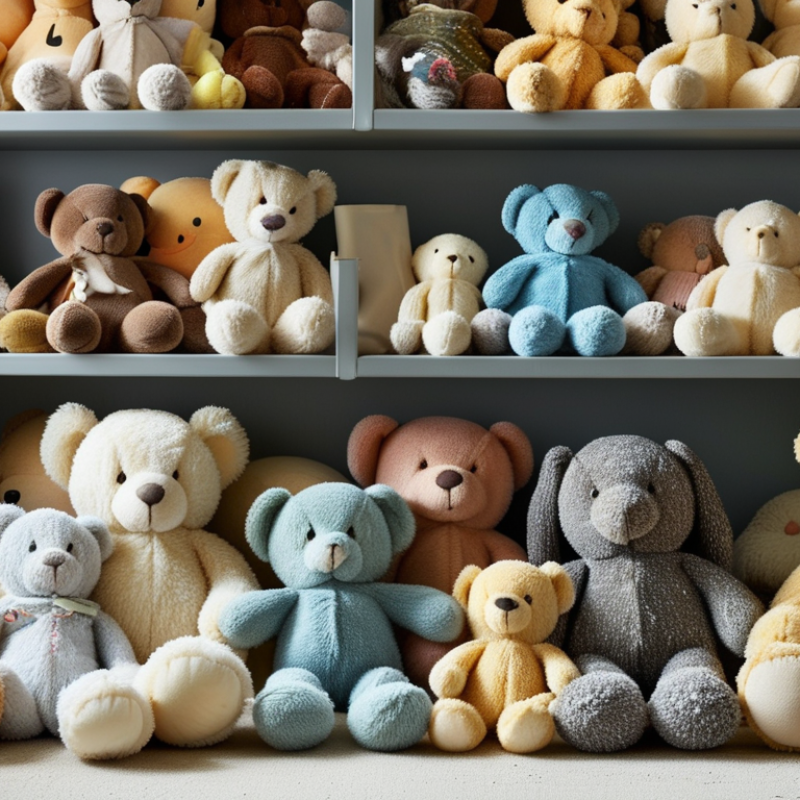
The Importance of Storing Plush Toys for Dust Prevention
Dust accumulation in homes can lead to various health issues, especially for those with allergies or respiratory conditions. Plush toys, beloved by many, are often overlooked as contributors to this problem. Studies show that soft surfaces like plush toys can harbor dust mites, mold, and other allergens. These allergens can exacerbate symptoms for sensitive individuals. A report from the American Lung Association suggests that around 30% of people may experience allergy symptoms due to dust mites.
Storing plush toys properly can significantly reduce dust buildup. When plush toys are stored in airtight containers, exposure to dust diminishes. Research indicates that proper storage can cut dust exposure by up to 50%. This is crucial for maintaining a healthy indoor environment. Many forget that plush toys should not only be cleaned but also stored securely to minimize allergens. Regularly cleaning and storing them can improve air quality and contribute to overall wellness for all family members.
It's vital to recognize that not all storage solutions are equally effective. Boxes may not provide a complete seal. Ventilated storage can trap moisture, leading to mold. It's important to find the right balance in storing soft items. Discussions in home care forums reveal that many families notice a considerable difference in air clarity after implementing these storage tips. Keeping plush toys organized and stored correctly is an essential step towards a healthier living space.
Common Dust Accumulation Issues Associated with Plush Toys
Plush toys are beloved companions for many. However, they often become dust magnets. Dust thrives in fibers and small crevices of these toys. Over time, this accumulation can lead to allergies and respiratory issues. Children and pets are particularly vulnerable.
When plush toys are left out, they collect dust and dirt quickly. This makes regular cleaning essential. Failing to do so can compound dust-related problems. Many people overlook the importance of proper storage. A simple solution is to keep plush toys in bins or bags when not in use. This minimizes dust exposure and keeps them fresh.
Additionally, washing plush toys regularly is crucial. However, not all toys can withstand frequent washing. Some lose their shape or color. It’s important to read care labels carefully. If washing is impossible, consider using a soft brush to remove dust. This method may not be perfect, but it helps. Regular maintenance prevents the buildup of allergens. Keeping plush toys clean is not just about aesthetics; it's about health.
Effective Storage Solutions for Keeping Plush Toys Dust-Free
Plush toys bring joy and comfort, but they can attract dust and allergens. A practical storage solution can make a difference. Using bins or storage boxes ensures toys are protected. Choose breathable fabric containers to maintain air circulation. This prevents moisture build-up while still safeguarding your cherished items.
Labeling is another effective strategy. It simplifies locating specific toys when they are needed. Transparent bins provide a visual cue, saving time and reducing the hassle of rummaging. Consider rotating your plush toys; keep some in storage while displaying others. This not only helps with dust control but also refreshes your home decor.
Regular cleaning is essential. Dusting surfaces and vacuuming around storage areas keeps allergens at bay. A less-than-perfect environment invites dust, even with good storage. Once a month, take some time to inspect your plush toys. Embrace a routine that includes washing machine safe toys, ensuring they are fresh and clean. Keeping them dust-free requires effort, but the rewards are worth it.
Cleaning Guidelines for Maintaining Plush Toys Before Storage
When it comes to storing plush toys, cleanliness is crucial. Dust can easily accumulate on soft surfaces, leading to allergies and other health issues. A study by the Asthma and Allergy Foundation reveals that about 50 million Americans experience some form of allergy. Proper cleaning before storage can significantly reduce these risks.
Begin by shaking the plush toys outside. This simple action helps eliminate loose dirt and debris. Next, hand wash or machine wash according to care labels. Using a gentle detergent is essential. For toys that cannot be machine washed, consider using a damp cloth to wipe them down. After cleaning, let them air dry thoroughly. Humidity can cause mold growth, which is a major concern in storage.
Storage choices also play a role. Plastic bins with airtight lids can protect toys from dust and pests. A report from the Indoor Air Quality Association states that dust mites thrive in poorly ventilated areas. Ensure that the storage area is cool and dry to prevent moisture accumulation. Regularly check the condition of stored toys. This proactive approach promotes hygiene and ensures your plush toys remain safe and clean for future use.
Benefits of Regularly Storing and Cleaning Plush Toys
Regularly storing and cleaning plush toys offers many benefits. Plush toys can collect dust, allergens, and bacteria over time. A study from the American College of Allergy, Asthma, and Immunology found that nearly 50% of households with children experience allergy symptoms. These symptoms can be triggered by dust mites and other allergens hiding in toys. Storing plush toys away can reduce these risks and create a healthier environment.
In addition to allergy concerns, cleaning plush toys can enhance their longevity. The American Cleaning Institute suggests washing plush items every month. This routine can keep them looking fresh and new. Soft toys that are regularly cleaned may last up to 20% longer. Cleaning reduces wear and tear, helping the toy to maintain its shape and color. Parents often overlook this simple maintenance, unaware of the long-term benefits.
Feeling overwhelmed by the amount of dust? Consider regular storage strategies. Use bins or vacuum bags to minimize dust exposure. Don't forget to designate specific times for this task. It might feel tedious, but these small efforts contribute to a cleaner home. Reflecting on storage options can lead to a healthier living space for everyone.
Conclusion
Storing plush toys effectively is essential to prevent dust accumulation, which can lead to allergies and decreased toy longevity. Common issues include the inability of plush toys to repel dust due to their fabric materials, leading to a buildup that can be hard to clean. To address this, it is crucial to understand how to store plush toys to prevent dust. Utilizing airtight containers or dust-proof bags can significantly reduce exposure to dust, while regularly cleaning the toys prior to storage can enhance their condition.
Cleaning plush toys according to specific guidelines—such as vacuuming or gentle washing—ensures that any embedded dust or allergens are removed. Regularly storing and maintaining the cleanliness of plush toys not only preserves their quality but also contributes to a healthier living environment. Ultimately, adopting efficient storage solutions and cleaning practices leads to a healthier and dust-free collection of beloved plush companions.
 Tazz Toy
