What Are the Top Trends in Plush Toys?

Time:2026-09-18 Author:Amelia
0%

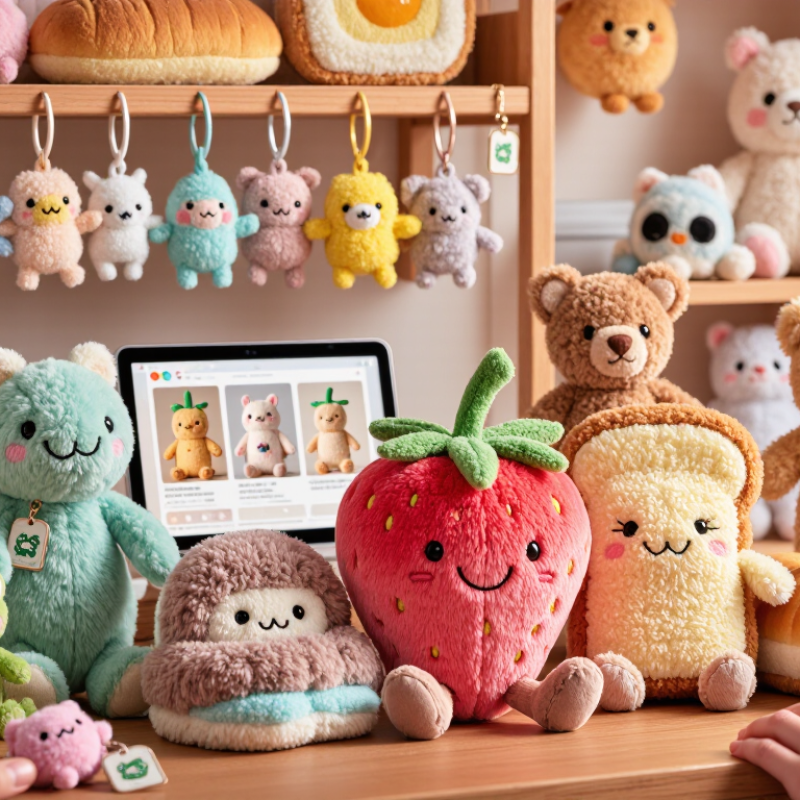
Plush toys are no longer limited to nursery shelves. They now appear in collectible displays, creator-led videos, gift stores, and adult bedrooms. This shift raises a practical question: what are the latest trends in plush toys, and why are buyers responding so strongly?

Circana’s Global State of the Toy Industry report recorded a 7% decline in worldwide toy sales during 2023. However, character-based products, collectibles, and emotionally engaging toys continued attracting attention. Plush benefits from this movement because it combines comfort, personality, and display value. The Toy Association’s annual trend research also highlights personalization, imaginative play, and products connected to digital culture. These findings suggest that shoppers increasingly want more than a soft toy. They want a recognizable character, a story, or a small emotional ritual.

Culture shapes demand.

Juli Lennett, U.S. toy industry advisor at Circana, has said, “The toy industry is a reflection of what is happening in culture.” Her observation helps explain the rise of mini plush charms, food-shaped designs, nostalgic characters, and limited-edition collaborations. Sustainability is also gaining attention, with buyers asking about recycled stuffing, durable fabrics, and responsible packaging. Yet marketing claims can be vague. Not every “eco” label proves meaningful improvement. This article examines the strongest plush trends through market data, product examples, and buyer behavior. It also considers an uncomfortable point: novelty can create excitement, but better design should create lasting value.

What Are the Top Trends in Plush Toys?

Evolution of Plush Toy Design and Consumer Preferences

Plush toy design has moved beyond simple softness. Current products combine tactile comfort, expressive faces, and practical durability. Designers now study how children and adults hold, wash, and display plush toys. Short-pile fabrics resist dust, while longer fibers create a warmer sensory experience. Embroidered features are also replacing loose plastic parts in many age-appropriate designs. This can improve safety, though every seam still needs careful testing.

Consumer preferences
Consumer preferences are becoming more personal and inclusive. Buyers often seek varied skin tones, body shapes, calming colors, and characters with gentle expressions. Personalization is growing through removable clothing, themed accessories, and customizable facial details. Smaller plush toys suit compact homes and travel routines. Washable construction matters too. A soft toy may look charming, but poor stitching quickly changes the buying decision. Recycled fibers attract interest, yet a sustainability label alone proves little. Material sources and care instructions should remain clear.

Emotional comfort
Emotional comfort is shaping the next stage of plush toy evolution. Some designs use weighted filling, textured paws, or subtle scents, but sensory features require responsible testing. Quiet designs may appeal more than brightly colored characters. Not always. Children can still prefer bold colors and unusual shapes. Designers sometimes chase novelty too aggressively, making toys difficult to clean or repair. Better products balance imagination with everyday use, allowing a toy to survive bedtime, travel, and years of repeated handling.

Sustainable Materials and Eco-Friendly Plush Toy Production

Sustainable materials are reshaping plush toy production, from the outer fabric to the stuffing inside. Textile Exchange’s Materials Market Report 2024 estimates that global fiber production reached 124 million tonnes in 2023. It could rise to 160 million tonnes by 2030. Plush manufacturers therefore face pressure to reduce virgin materials, not only improve packaging.

Recycled polyester filling can use recovered plastic bottles, while organic cotton offers a softer plant-based shell. Some factories now test recycled cotton, wood-based fibers, and water-based dyes. These choices matter in the workshop. A seam must stay firm after repeated washing. Loose fibers should not collect around embroidered eyes. Production teams also need traceable certificates, supplier audits, and documented chemical controls.

The work is not perfectly clean. Recycled polyester still depends on plastic feedstock. Organic cotton can require significant water and farmland. The Ellen MacArthur Foundation reports that less than 1% of textile material is recycled into new textiles, showing how difficult true circularity remains.

I would not call every recycled plush toy circular. A better approach uses durable stitching, removable accessories, simpler material combinations, and repair-friendly construction. The toy should survive years of hugs, not just pass a factory inspection. Small design decisions count. Even the thread deserves scrutiny.

Interactive Features, Smart Technology, and Sensory Appeal

Plush toys are becoming more engaging through touch, sound, movement, and responsive lighting. A soft animal may giggle when squeezed, blink when hugged, or answer simple spoken prompts. These features can support pretend play and encourage children to express feelings. However, more technology does not always create better play. A noisy toy may quickly become tiring in a quiet home.

Smart technology is also changing how plush toys respond. Motion sensors can detect a child’s gentle tap, while simple voice functions can create short stories or calming sounds. From a product-testing perspective, response speed matters. Delayed audio can break the child’s sense of connection. Battery access, washable materials, and clear volume controls also deserve careful attention. Smart features should be limited, understandable, and designed with privacy in mind.

Tips: Choose toys with soft, durable fabrics and secure stitching. Test the sound level before giving one to a young child. Look for easy cleaning instructions and replaceable batteries. Sensory appeal should feel balanced: a fuzzy ear, a smooth paw, or a lightly weighted body can invite repeated touch. Some children may dislike flashing lights or sudden sounds. That is easy to overlook. Observe the child’s reaction, and accept that a quieter toy may become the favorite.

What Are the Top Trends in Plush Toys? - Interactive Features, Smart Technology, and Sensory Appeal

Trend Area Typical Product Features Primary Sensory or Digital Channel Consumer Benefit Power and Connectivity Important Safety or Care Consideration Current Trend Strength
Interactive Sound and Movement Press-activated sounds, recorded phrases, heartbeat effects, head movement, or gentle vibration Auditory and tactile Creates a more responsive play experience and supports imaginative role-play Usually battery-powered; most products work without internet access Electronic modules should be securely enclosed; removable batteries require child-resistant access High
Smartphone and App Connectivity Bluetooth pairing, downloadable stories, sound selection, activity tracking, or parent-controlled settings Digital and auditory Allows personalization, content updates, and greater control over interactive functions Typically uses Bluetooth Low Energy; a compatible mobile device is required Products should minimize data collection and clearly explain permissions, pairing, and privacy controls Growing
Voice Recognition and Conversational Play Voice prompts, question-and-answer interaction, story narration, and limited scripted responses Auditory and language-based Encourages communication, storytelling, and open-ended pretend play May operate through onboard software or require wireless connectivity for advanced functions Microphone indicators, parental controls, offline options, and transparent data practices are important Growing
Sensory-Rich Textures Mixed fabrics, ribbed panels, satin tags, crinkle inserts, plush fur, and smooth silicone details Tactile and auditory Provides varied touch experiences and can support calming or exploratory play No power or connectivity required Seams, trims, and attachments must resist detachment; materials should be tested for colorfastness and durability High
Weighted and Comfort Plush Evenly distributed internal filling, lap-sized designs, and soft compression-oriented construction Deep-pressure and tactile Offers a comforting holding experience during rest, travel, or quiet activities No power or connectivity required Weight, age guidance, stitching strength, filling containment, and wash instructions must be clearly specified High
Light-Based and Color-Changing Effects Soft night lights, color-changing panels, glowing facial details, or light-up response modes Visual Adds visual engagement and can support bedtime routines when brightness is adjustable Battery-powered or rechargeable; automatic shutoff is commonly used Lights should not become excessively hot or overly bright; battery compartments must remain secure Growing
Personalization and Modular Design Interchangeable accessories, name panels, removable outfits, and selectable sounds or expressions Visual, tactile, and imaginative Strengthens emotional attachment and encourages repeated, creative play Usually non-electronic, with optional battery-powered add-ons Small detachable components need age-appropriate design, secure fastening, and clear supervision guidance High
Sustainable and Washable Construction Recycled or certified fibers, reduced packaging, repairable parts, and removable electronic components Material and environmental appeal Supports durability, easier maintenance, and environmentally conscious purchasing decisions Non-electronic designs are simplest to wash; electronic versions need protected or removable modules Care labels must distinguish machine-washable components from parts that must remain dry Growing

Note: Trend strength is a qualitative industry indicator based on the visibility of the feature across current plush-toy product development and consumer-use patterns; it is not a market-share measurement.

Licensed Characters, Customization, and Collectible Plush Trends

What Are the Top Trends in Plush Toys?

Licensed character plush toys continue to attract buyers through familiarity, storytelling, and emotional comfort. Authorized designs usually follow strict artwork and quality requirements. This helps preserve facial details, colors, and recognizable shapes. Buyers should still check material labels, seam strength, and age guidance. Popular does not always mean durable.

Customization is becoming more practical for gifts, events, and small communities. Customers can choose colors, clothing, embroidered names, or different facial expressions. Some manufacturers now offer digital previews before production begins. This reduces costly misunderstandings. In my experience, tiny details matter most, especially thread color and ear placement. I once underestimated how much a one-centimeter change could affect the final look. The process still needs patience.

Collectible plush toys are also moving beyond simple decoration. Enthusiasts often seek limited quantities, numbered tags, seasonal designs, and unusual textures. Soft corduroy, recycled fibers, and weighted filling can create a stronger sensory experience. Collectors usually value consistent stitching and clear edition information. However, scarcity can encourage rushed purchases. A thoughtful buyer may compare construction, storage needs, and long-term appeal before paying more. Trends change quickly. Quality should not.

Safety Standards, Inclusive Design, and the Future of Plush Toys

Safety is becoming a defining trend in plush toy development. Soft materials can hide serious risks, especially loose eyes, weak seams, and accessible stuffing. ASTM F963, EN 71, and ISO 8124 address mechanical, flammability, and chemical hazards. These standards guide professional testing before products reach children. The U.S. Consumer Product Safety Commission’s 2023 report recorded ten toy-related deaths. It also estimated more than 200,000 toy-related emergency-department injuries. That number is sobering. Manufacturers should test pull strength, seam durability, and small-part security repeatedly. Yet no checklist catches every real-life failure. A plush toy may pass laboratory testing and still suffer after months of washing.

Inclusive design is shaping the next generation of plush toys. UNICEF’s 2021 report estimated that nearly 240 million children worldwide live with disabilities. That figure demands more than symbolic representation. Designers can create sensory-friendly textures, embroidered facial details, lighter weights, and easy-grip shapes. Practical details matter. Quiet packaging can help children with sensory sensitivities. Washable surfaces support children who use toys frequently. Accessible design should involve children, caregivers, therapists, and educators during development. A prototype can look thoughtful in a studio. Real children may reveal uncomfortable seams or confusing closures. I still question whether many “inclusive” products are tested with enough users. Future plush toys should also consider repairable stitching, clearer material information, and longer service life. Personalization may grow, but safety and dignity must remain measurable.

What Are the Top Trends in Plush Toys?

Safety standards, inclusive design, and sustainable materials are shaping the future of plush toys. The indicators below show the scale of the needs influencing product development; they are not market-share figures.

Sources: World Health Organization, “Disability and Health” (2023); UNICEF, “Seen, Counted, Included” (2021); OECD, “Global Plastics Outlook” (2022).

FAQS

How do interactive plush toys respond to children?

They may react to squeezing, tapping, hugging, or simple spoken prompts. Some giggle, blink, move, or play calming sounds. Responses should feel quick and understandable. Delayed audio can weaken the sense of connection.

Can more technology make a plush toy better?

Not always. A loud toy may become tiring in a quiet room. Flashing lights can also upset some children. Observe the child’s reaction carefully. Quieter may be better.

What safety details should buyers check?

Look for secure stitching, soft durable fabric, and clear age guidance. Check the battery compartment carefully. Replaceable batteries are practical. Test the volume before giving the toy to a young child.

How should interactive plush toys be cleaned?

Choose materials with clear cleaning instructions. Washable fabric is helpful for everyday use. Battery access should be simple but secure. Never ignore small openings near electronic parts.

What sensory details make plush toys appealing?

Different textures invite repeated touch. Consider a fuzzy ear, smooth paw, or lightly weighted body. These details can support comforting play. The balance matters.

Why are familiar character designs popular?

Familiar faces can support storytelling and emotional comfort. Authorized designs usually preserve recognizable colors and shapes. Buyers should still inspect seams and material labels. Popular does not guarantee durability.

What can customers customize on a plush toy?

Options may include colors, clothing, embroidered names, and facial expressions. Digital previews can reduce misunderstandings. Small details matter. Thread color and ear placement can change the final appearance.

What should collectors examine before buying limited plush toys?

Check stitching, edition information, textures, filling, and storage needs. Numbered tags may increase interest. Limited quantities can encourage rushed decisions. A slower choice may be wiser. Trends change quickly. Quality should not.

Conclusion

Plush toys are evolving from simple decorative companions into more personalized, sustainable, and interactive products. When considering what are the latest trends in plush toys, key developments include softer and more expressive designs shaped by changing consumer preferences, as well as the use of recycled, organic, and responsibly sourced materials. Eco-friendly stuffing, low-impact dyes, and durable construction are also becoming important as consumers seek products with a smaller environmental footprint.

Modern plush toys increasingly feature sound, movement, textures, and other sensory elements that create engaging experiences, while some incorporate smart technology in age-appropriate ways. Licensed characters remain popular, but customization and collectible designs are expanding, allowing consumers to choose colors, outfits, accessories, or limited editions. At the same time, manufacturers are placing greater emphasis on safety testing, non-toxic materials, secure components, and inclusive designs that represent different abilities, cultures, and personal identities. Together, these trends point toward a future in which plush toys are safer, more thoughtful, environmentally responsible, and emotionally meaningful.

Amelia

Amelia

Amelia is a seasoned marketing professional with a wealth of expertise in our company’s core offerings. With an unwavering passion for driving growth and innovation, she plays a pivotal role in shaping our marketing strategies and enhancing brand visibility. A key aspect of her responsibilities......