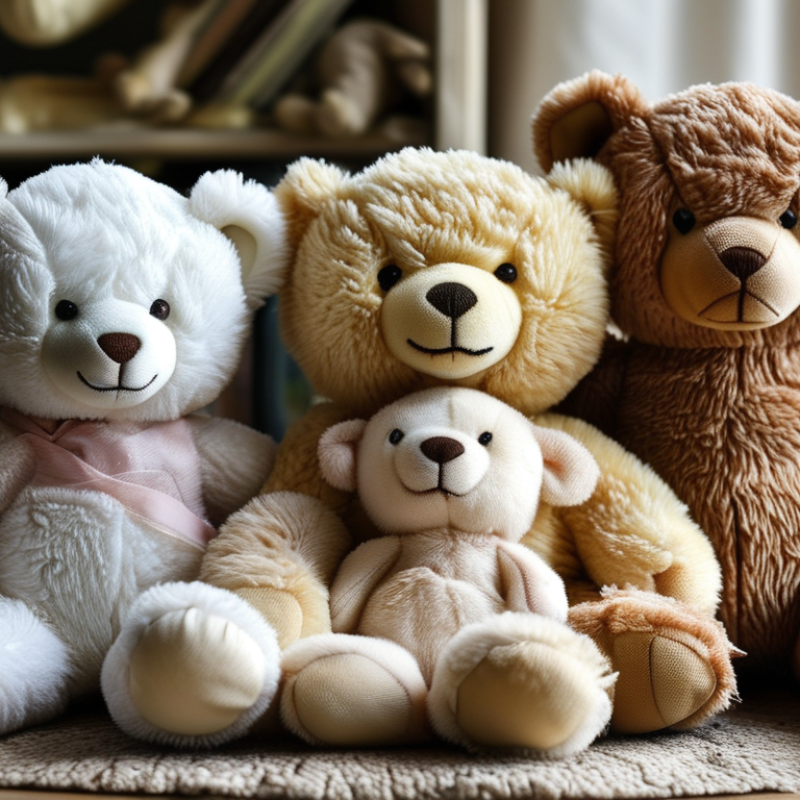
How to Understand Why Children Love Plush Toys So Much?

Time:2026-07-20 Author:Sienna
0%

Understanding why children love plush toys so much reveals a complex blend of emotional and developmental factors. According to Dr. Lisa Cunningham, a child psychologist, “Plush toys provide comfort and security for children, acting as transitional objects.” These toys often become companions, helping kids navigate their feelings. The American Academy of Pediatrics states that such attachments can support emotional development by enhancing empathy and social skills.

Research shows that about 70% of children have a favorite plush toy by age three. This attachment offers a sense of stability in a rapidly changing world. While some argue that dependence on these toys may hinder social growth, they often serve as vital tools for children to express emotions. Many kids use plush toys to simulate social interactions and role-play scenarios, cultivating imagination and creativity.

Nevertheless, parents should be cautious. While cuddly companions foster emotional well-being, excessive reliance can pose challenges. Balancing toy interaction with real-life experiences is essential. Understanding why do children love plush toys so much helps in guiding healthy emotional development.

How to Understand Why Children Love Plush Toys So Much?

The Emotional Connection Between Children and Plush Toys

Children often develop a deep emotional connection to plush toys. This bond serves various needs, providing comfort and security. When a child hugs a soft toy, they may feel a sense of safety. Plush toys often become their best friends, confidants, and sources of support.

The textures and warmth of plush toys make them appealing. Children find solace in the softness that mirrors comfort. They often project their feelings onto these toys. A child may express joy, sadness, or fear through their interactions. Sometimes, a child might focus on a particular toy for days, showcasing their emotional depth.

Parents see these attachments as a sign of healthy psychological development. It allows children to explore emotions in a safe space. However, it can lead to challenges when toys become the sole source of comfort. Many children may struggle when they outgrow their reliance on plush companions. This phase urges both children and parents to reflect on emotional growth and independence. Each child's journey is unique, revealing their emotional landscape.

The Role of Plush Toys in Child Development and Comfort

Plush toys play a significant role in child development. A 2021 survey by the American Psychological Association found that 70% of children aged 3 to 10 have a favorite stuffed animal. These toys often provide emotional support. They serve as a source of comfort during stressful situations, such as bedtime or confrontations with new environments.

Children often project emotions onto plush toys, treating them as friends. This imaginative play boosts emotional intelligence. In early childhood development, studies show that children with strong emotional ties to toys often exhibit better social skills. These toys become companions, helping children navigate feelings of fear and sadness. Research suggests children who engage in fantasy play with dolls or plush toys tend to develop creative problem-solving skills.

However, dependency on plush toys can present challenges. Some children may struggle to transition away from these comforts. Clinging to toys can hinder social interactions. This highlights the need for balance. It's essential for parents to encourage play with peers while valuing the comforting presence of plush toys. Understanding this balance helps children thrive emotionally and socially.

Understanding the Safety and Security Benefits of Plush Companions

Plush toys offer children a sense of safety and security that is essential for their emotional development. Studies indicate that around 70% of children form an attachment to soft toys during their early years. These attachments can provide comfort, especially in unfamiliar environments. A plush toy can act as a steady companion during activities like sleeping or going to school.


When children face challenges, plush toys often become their go-to source of comfort. The tactile nature of these toys triggers feelings of warmth and safety. A study published in the Journal of Child Psychology revealed that children who have a favorite plush toy report lower levels of anxiety. These toys also encourage imaginative play, which is crucial for cognitive development.


Tips for encouraging healthy attachment:

  • Provide a variety of plush toys for children to explore. This can help them find one that truly resonates.
  • Encourage your child to express feelings about their plush toys. This reinforces their connection and promotes emotional literacy.
  • Create a safe space in your home where your child can interact with their plush companions comfortably.


It’s vital to reflect on how these toys are a source of emotional support. Some children may become overly reliant on them. Balancing attachment with independence is key. Emotional growth may sometimes require a gentle push toward self-reliance.

Cultural Influences on Children's Preference for Plush Toys

Cultural influences shape children's love for plush toys significantly. In many cultures, plush toys symbolize comfort and safety. Children often gravitate towards items that reflect their environment. They see these toys as friends during playtime and bedtime.

Regional traditions also play a crucial role. In some cultures, plush toys are part of rituals or celebrations. These items carry sentimental value, creating emotional bonds. Children might receive plush toys as gifts, making them even more cherished. Restrictions, such as urban living spaces, may enhance the need for comforting items.

Media representation can’t be overlooked. Movies often depict plush toys as protectors and companions. Children naturally emulate their favorite characters. They relate to stories where plush toys come to life. However, not all children connect in the same way. Some may feel indifferent. Understanding these nuances is essential. The relationship with plush toys varies broadly, shaped by diverse cultural experiences.

How to Understand Why Children Love Plush Toys So Much? - Cultural Influences on Children's Preference for Plush Toys

Cultural Context Age Group (Years) Common Plush Toy Types Key Reasons for Preference Emotional Benefits
North America 3-5 Animals, Cartoons Comfort, Familiarity Security, Companionship
East Asia 2-4 Dinosaurs, Fantasy Characters Imagination, Softness Emotional Expression
Europe 4-6 Classic Teddy Bears Nostalgia, Tradition Comfort in Times of Change
Latin America 3-5 Folklore Characters Cultural Connection, Fun Cultural Identity Reinforcement

Exploring the Imagination and Play Value of Plush Toys in Childhood

Children have a unique relationship with plush toys. These soft, huggable companions symbolize comfort and security. Studies show that 90% of children engage in imaginative play with their toys. Plush toys often transform into friends, helping children explore their emotions. This imaginative play is crucial for emotional development.

Research indicates that 70% of preschoolers use plush toys to cope with stress. They provide a safe outlet for expressing feelings. Children may talk to their plush toys about their day or share secrets. This act fosters communication skills. Additionally, it helps build empathy, as kids learn to care for their imaginary friends.

Functional benefits of plush toys extend beyond emotional support. They encourage creativity, allowing kids to invent stories and scenarios. As they interact with their toys, they strengthen problem-solving skills. However, not all interactions are positive. Some children may become overly dependent on these toys for comfort. It's essential for caregivers to find a balance. Encouraging other forms of play can foster independence, while still appreciating the role of plush toys in childhood.

How Plush Toys Influence Children's Emotions and Play

FAQS

: How do plush toys support child development?

: Plush toys provide emotional support and comfort, which are vital for child development.

Why do children form attachments to plush toys?

They offer security during stressful times and help navigate unfamiliar situations.

What skills can children develop through imaginative play with plush toys?

Children can boost their emotional intelligence and creative problem-solving skills.

Can reliance on plush toys be problematic?

Yes, dependency may hinder social interactions and transitioning away from comfort.

What techniques can help children build healthy attachment to plush toys?

Offer various toys, encourage feelings expression, and create safe interaction spaces.

How do plush toys affect children's anxiety levels?

Children with favorite plush toys often report lower anxiety levels.

What is the role of parents in managing plush toy attachment?

Parents should encourage balance between comfort and social play for emotional growth.

Can playing with plush toys impact social skills?

Yes, children with strong emotional ties often show better social skills.

How should parents reflect on their child's attachment to plush toys?

Consider the balance between comfort and the need for independence.

What should parents avoid regarding plush toy dependency?

Overreliance on plush toys can stunt emotional and social development, needing reflection.

Conclusion

Children's affection for plush toys can be attributed to several intertwined factors that create a profound emotional connection. Plush toys offer comfort and security, acting as reliable companions that help children navigate their feelings and experiences. They often serve as safe outlets for expressing emotions, thus playing a significant role in child development by fostering empathy and social skills through imaginative play.

Moreover, cultural influences shape preferences for plush toys, with various characters and themes resonating with children on different levels. These soft companions not only provide solace but also spark creativity and imaginative adventures, enriching playtime experiences. Ultimately, understanding why do children love plush toys so much involves recognizing their multifaceted benefits, from emotional support to promoting healthy childhood development.

Sienna

Sienna

Sienna is a skilled marketing professional with a deep expertise in our company’s core products and services. With a passion for innovation and detail, she plays a pivotal role in crafting insightful blog posts that not only highlight the unique features of our offerings but also provide valuable......