7 Tips Why Eco Friendly Plush Toys Are So Popular?

Time:2026-10-13 Author:Sophia
0%

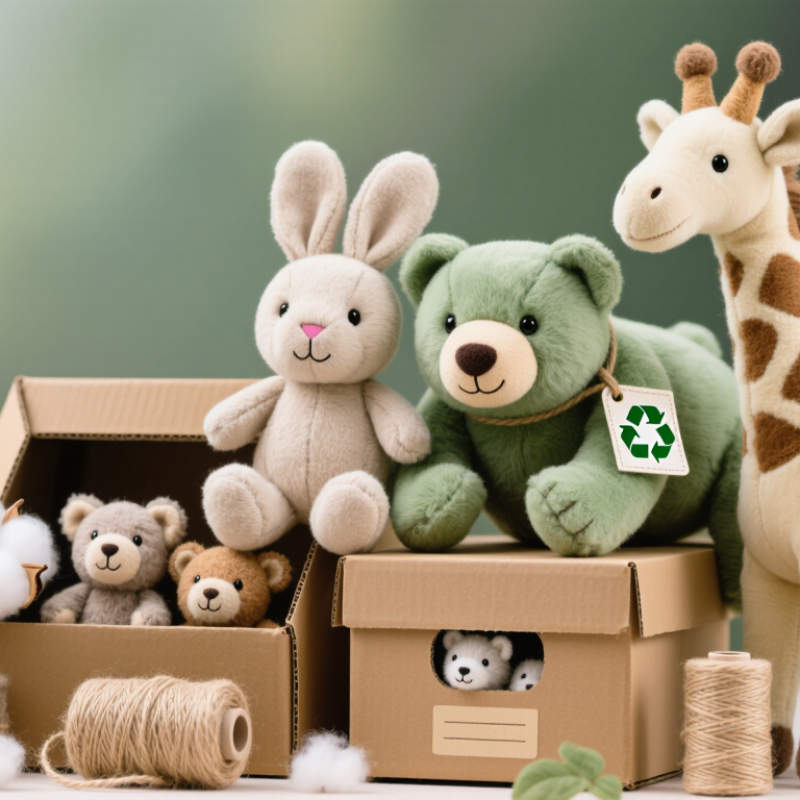
Why are eco-friendly plush toys becoming more popular? The answer begins with changing consumer expectations. Parents increasingly examine fabric labels, stuffing materials, packaging, and manufacturing practices before buying a soft toy. They want comfort, but they also want fewer unnecessary plastics and more responsible choices.

Ellen MacArthur, a leading circular-economy authority, explains, “A circular economy is based on the principles of designing out waste and pollution, keeping products and materials in use, and regenerating natural systems.” This idea closely connects with modern plush toy design. Recycled polyester, organic cotton, plant-based dyes, and recycled cardboard packaging can reduce environmental pressure. However, “eco-friendly” should never remain a vague marketing phrase. Buyers should look for clear material information, credible certifications, safe construction, and transparent supplier policies.

The appeal is also emotional. A child may carry one plush rabbit through bedtime, travel, and rainy afternoons. Durable stitching and washable fabrics can help that toy stay useful for years. Some brands now offer repair programs or take-back options, although these services are still uncommon. That gap deserves attention.

Eco-friendly plush toys are not automatically sustainable. Long-distance shipping, mixed materials, chemical treatments, and short product lifespans can weaken their environmental benefits. This is where careful research matters. A responsible introduction should celebrate meaningful progress without pretending every green claim is perfect. Parents, retailers, and manufacturers all share that responsibility. Small details matter. Even the tag and thread deserve scrutiny.

7 Tips Why Eco Friendly Plush Toys Are So Popular?

Defining Eco-Friendly Plush Toys: Materials, Fillings, and Certifications

Eco-friendly plush toys begin with their materials, not their packaging.

The outer fabric may use organic cotton, recycled polyester, or regenerated cellulose fibers. Textile Exchange reported that global fiber production reached about 116 million tonnes in 2022 and may exceed 147 million tonnes by 2030. That growth makes material choices more important. Organic cotton can reduce synthetic fiber use, but it still requires careful farming and water management.

Fillings deserve equal attention. Recycled polyester stuffing often comes from used plastic bottles, creating a soft, springy texture. However, “recycled” does not mean impact-free. The material remains plastic, and shedding during washing remains a concern. Organic cotton or kapok fillings may offer alternatives, though their softness, durability, and supply consistency can vary. Small details matter, such as tight stitching, washable covers, and clear fiber labels.

Certifications help buyers verify claims. The Global Organic Textile Standard requires at least 70% certified organic fibers for products labeled “made with organic” materials. OEKO-TEX Standard 100 focuses on testing harmful substances in finished components, including fabrics and fillings. Textile Exchange reported that recycled polyester represented roughly 14% of polyester production in 2022, showing progress but also limited scale. A certificate covers specific materials or processes, not every environmental claim. That distinction is easy to miss.

Reducing Textile Waste: Why Recycled Fibers Matter to Toy Buyers

7 Tips Why Eco Friendly Plush Toys Are So Popular?

Reducing textile waste is becoming a practical concern for plush toy buyers. Textile Exchange’s Materials Market Report 2024 recorded 124 million tonnes of global fiber production in 2023. It expects production to reach 160 million tonnes by 2030. This growth makes material choices harder to ignore. Recycled polyester can reuse discarded bottles and production scraps for soft outer fabric or filling. It may also reduce demand for new fossil-based fibers. The detail matters.

In product testing, recycled fibers can feel smooth, resilient, and suitable for frequent washing. Buyers often check fabric labels, filling texture, seam strength, and certification claims. The Global Recycled Standard can support traceability, although certification does not erase every environmental impact. UNEP has estimated that textile waste reaches about 92 million tonnes each year. That figure gives recycled materials real urgency, not just marketing value. Still, recycled fiber is not automatically perfect. Washing synthetic plush toys can release microfibers, while poor sorting may limit recycling quality. A careful buyer should ask where the fiber came from, how it was processed, and whether the toy can be used for years. Longevity is sometimes overlooked. A recycled toy replaced quickly may create another waste problem.

Meeting Safety Standards: ASTM F963 and EN 71 for Children’s Toys

Eco-friendly plush toys are popular because parents want softer materials and less environmental waste. Yet appearance cannot prove safety. A recycled fabric may still contain unsuitable dyes, loose fibers, or poorly secured parts. Compliance must be checked through documented testing.

ASTM F963 applies to toys sold in the United States. EN 71 covers toy safety requirements in European markets. Both frameworks examine important risks, including flammability, mechanical hazards, and chemical migration. Depending on the toy, testing may also assess seams, stuffing access, small components, and age-related dangers. A practical review should compare the toy’s age label with its actual features. Tiny plastic eyes are not appropriate for babies if they can detach.

Reliable manufacturers should provide current test reports, material records, and production traceability. Ask whether the tested sample matches the finished toy, not only the fabric swatch. Wash the plush toy as instructed, then inspect stitching, embroidery, and filling. Small flaws matter. Eco claims also need careful checking because “natural” does not automatically mean safer or more sustainable. Standards are useful, but they cannot replace thoughtful design and repeated quality checks. No checklist is perfect. A rushed inspection may miss a loose thread or hidden seam. That uncomfortable possibility deserves attention before the toy reaches a child.

Safety Standard Milestones Relevant to Eco-Friendly Plush Toys

The chart shows the publication year of selected ASTM F963 editions and EN 71 documents. These standards address important toy-safety areas such as mechanical and physical properties, flammability, and the migration of certain elements. A milestone indicates a published edition or amendment, not a product-compliance score.

Reflecting Consumer Demand: 78% Value Sustainable Lifestyles (NIQ, 2023)

7 Tips Why Eco Friendly Plush Toys Are So Popular?

Reflecting Consumer Demand: 78% Value Sustainable Lifestyles (NIQ, 2023)

Eco-friendly plush toys reflect a clear shift in household priorities.

NIQ’s 2023 sustainability research reports that 78% of consumers value sustainable lifestyles. For many families, that belief appears in small choices, including a child’s soft toy. Recycled polyester filling, organic cotton fabric, and paper-based packaging make sustainability visible. A toy held every night feels more meaningful when its materials have a traceable story.

Price still matters. PwC’s Voice of the Consumer Survey 2024 found that consumers were willing to pay an average 9.7% premium for sustainably produced goods. That figure helps explain the appeal of durable plush toys with reinforced seams and washable covers.

Parents may buy fewer toys, but expect longer use. This is practical, not perfect. “Eco-friendly” labels can remain vague.

The strongest products support specific claims with recognised certifications, material details, and responsible factory information. Designers should also consider repairability, loose components, dye safety, and end-of-life disposal.

The Ellen MacArthur Foundation describes circular design as keeping products and materials in use longer.

That principle suits plush toys, which often become comfort objects, travel companions, and childhood keepsakes. A recycled fibre alone is not enough. Better design considers the whole journey, from the first stitch to the final donation.

Supporting Premium Pricing: 49% Paid More for Sustainable Products (IBM, 2022)

Why Eco-Friendly Plush Toys Are So Popular

The strongest reason is not fashion. It is perceived value. A 2022 global sustainability study found that 49% of consumers paid more for sustainable products. This figure supports premium pricing for thoughtfully made plush toys. Parents may accept a higher price when materials feel safer, softer, and more responsible.

Tip 1: Make the material story visible. Recycled polyester filling, organic cotton fabric, and paper-based packaging need clear explanations. Avoid vague words like “green” or “natural.” Independent testing and traceable sourcing strengthen trust. A 2023 consumer sustainability report found that many shoppers want environmental information at the point of purchase. Small labels matter.

Tip 2: Connect sustainability with durability. A plush toy that survives frequent washing creates less replacement waste. Strong stitching, washable covers, and colorfast fabric offer practical value. This is where premium pricing becomes easier to understand. However, sustainable does not automatically mean better. Some recycled fabrics feel rougher, and some packaging choices protect products poorly. That weakness deserves honest testing.

Tip 3: Show measurable progress. The life-cycle assessment should consider materials, manufacturing, transport, use, and disposal. Industry research repeatedly shows that consumers distrust unsupported environmental claims. Simple details work best: recycled content percentage, factory audit scope, and care instructions. The 2022 study also reported that sustainability influences purchase decisions across major consumer categories, although plush toys remain a smaller specialty segment. That limitation matters. Admitting it makes the message more credible.

FAQS

Does an eco-friendly appearance prove that a plush toy is safe?

No. Recycled fabric may contain unsuitable dyes, loose fibers, or poorly secured parts. Safety requires documented testing.

Which safety standards may apply to children’s plush toys?

ASTM F963 applies to toys sold in the United States. EN 71 covers toy safety requirements in European markets.

What hazards should testing examine?

Testing may examine flammability, chemical migration, seams, stuffing access, and detachable components. Age-related risks also matter.

How should buyers check the toy’s age label?

Compare the label with the toy’s actual features. Tiny plastic eyes can detach. That makes them unsuitable for babies.

What documents should a reliable manufacturer provide?

Request current test reports, material records, and production traceability. Confirm the tested sample matches the finished toy.

How can someone inspect a plush toy at home?

Wash it according to the care instructions. Then check stitching, embroidery, filling, and hidden seams. Look closely.

Does “natural” always mean safer and more sustainable?

No. Natural materials can still require careful testing. Vague claims should be replaced with measurable details.

Why might sustainable plush toys support a higher price?

A 2022 global study found that 49% of consumers paid more for sustainable products. Durable materials and clear sourcing can add value.

What sustainability details should packaging or labels show?

Show recycled content percentages, material types, care instructions, and sourcing information. Small labels can build trust.

Does a higher price guarantee better sustainability?

No. Some recycled fabrics feel rougher, and weak packaging may cause damage. Honest testing remains necessary. No checklist catches everything.

Conclusion

Why are eco-friendly plush toys becoming more popular? Their appeal comes from a combination of environmental responsibility, child safety, and changing consumer values. These toys are often made with organic, recycled, or responsibly sourced fabrics and may use recycled polyester, plant-based fibers, or other lower-impact fillings. Clear certifications can also help buyers identify products that meet recognized environmental and safety requirements. By reusing textile fibers, manufacturers can reduce waste and limit the demand for new raw materials.

Safety is equally important, especially for children’s products. Compliance with standards such as ASTM F963 and EN 71 can address risks involving materials, construction, flammability, and chemical content. Consumer research also reflects strong demand for sustainability: NIQ reported that 78% of consumers valued sustainable lifestyles in 2023, while IBM found that 49% had paid more for sustainable products in 2022. As a result, eco-friendly plush toys can offer meaningful value while supporting premium pricing.

Sophia

Sophia

Sophia is a dedicated marketing professional with an exceptional depth of knowledge about her company's products and services. With a keen understanding of market trends and customer needs, she crafts insightful blog posts that not only inform but also engage readers, enriching the company’s online......